It’s 7 pm in July, the heater has been running since you got home from work, and the lounge room still feels like it is holding onto the cold from outside. If that sounds familiar, you are not imagining it. Melbourne’s July mornings average around 6°C, with daytime temperatures typically only reaching about 13.5°C, according to the Bureau of Meteorology’s long-term records for the city.
For a lot of Melbourne homes, that cold is not sneaking in through the windows or the front door. It is coming straight down through the ceiling. Ceiling insulation in Melbourne homes rely on is one of the simplest, highest-impact fixes for a cold house, and if yours was built more than twenty years ago, there is a fair chance the insulation up there is thin, patchy, or missing altogether. Here is why Melbourne homes lose heat the way they do, and what it actually takes to fix it.
Why Melbourne Homes Struggle to Stay Warm
Melbourne sits within Climate Zone 6 under the National Construction Code (NCC), the official classification used across the building industry for cool temperate climates. It is the same zone that covers Docklands, Boroondara, Stonnington and Casey, among most of greater Melbourne, and it reflects a climate with genuinely cold, damp nights and mild, changeable days rather than the sub-tropical warmth further north.
The catch is that a large share of Melbourne’s housing was built well before ceiling insulation was a mandatory requirement. Weatherboard cottages in the inner suburbs, Californian bungalows through the middle-ring suburbs, and older brick veneer homes further out were often finished with little more than an open gap between the ceiling and the roof frame. Without a proper thermal barrier in that space, the cold air sitting in the roof void has nothing stopping it from working its way straight down into the rooms below.
Renovations do not always fix this either. A new kitchen or a fresh coat of paint will not touch the roof space, which is exactly why so many otherwise well-presented Melbourne homes still feel cold the moment winter sets in.
Where the Heat Actually Goes: The Numbers Behind a Cold House
It helps to know where heat actually escapes from a typical home rather than guessing. According to the Australian Government’s YourHome guide, ceilings and roof spaces account for 25 to 35 percent of winter heat loss in an average house, more than any other single part of the building. Walls account for another 15 to 25 percent, floors for 10 to 20 percent, and gaps or draughts around doors, windows and vents make up a further 5 to 25 percent.
Put simply, the ceiling is usually both the biggest source of heat loss and the easiest one to fix properly. There is no need to open up walls or lift floorboards. What matters is getting the right thickness and type of insulation sitting correctly across the entire ceiling space, without gaps, compression, or thin patches.
The NCC sets a minimum ceiling insulation level based on climate zone, and for Melbourne’s Climate Zone 6, that generally works out to around R4.0. However, the exact figure depends on your roof type, ventilation, and a few other variables in the Code’s tables. Insulation materials also need to meet Australian Standard AS/NZS 4859.1, which sets the technical criteria for thermal insulation products used in Australian homes. If you want a deeper look at what R-value actually means, and why a thicker product is not automatically a better one, we’ve broken it down in our guide to insulation R-values for Melbourne homes.
Not Sure What’s Really Happening in Your Roof Space?
The only way to know your current R-value and whether your ceiling insulation in Melbourne still meets today’s standard is to have someone take a proper look. AA Insulation offers free home assessments across Melbourne, with no obligation afterwards.
Signs Your Ceiling Insulation Isn’t Doing Its Job
A handful of signs tend to show up again and again in under-insulated Melbourne homes:
- Your heater runs constantly, but rooms still feel cold within an hour of switching it off
- The ceiling feels noticeably cold to the touch, or you can feel a chill radiating down from above
- Rooms directly under the roof swing between too hot and too cold depending on the season
- Winter power bills keep climbing even though your habits haven’t changed
- You notice damp patches, mould, or condensation forming near the ceiling line
If your home was built before 2003, it’s worth getting checked regardless of how it feels day to day. Mandatory energy efficiency requirements, including minimum insulation levels, were only introduced into the Building Code of Australia from 1 January 2003, so older ceiling insulation, where it exists at all, is often well below what a modern Melbourne home needs.
How Professional Ceiling Insulation in Melbourne Actually Fixes the Problem
Getting ceiling insulation in Melbourne right is not just a matter of buying batts and laying them down. A proper installation starts with an assessment of any existing insulation, your roof type, and any safety issues in the roof space, such as ageing wiring or downlights that need clearance from insulation material.
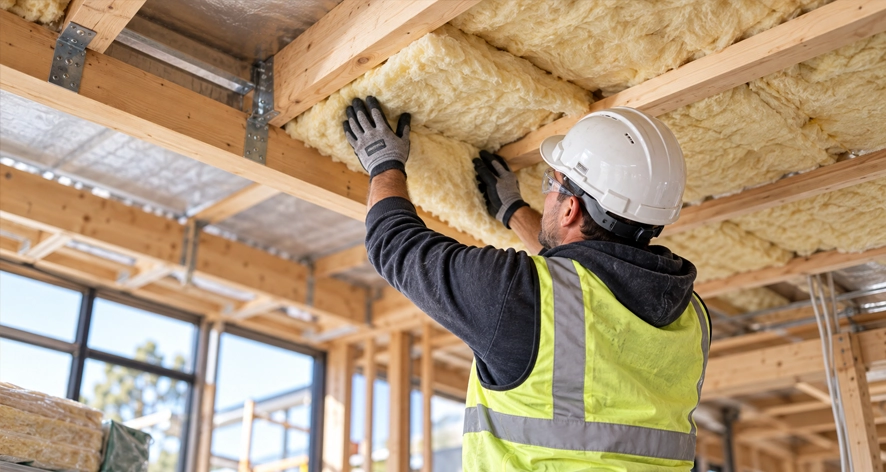
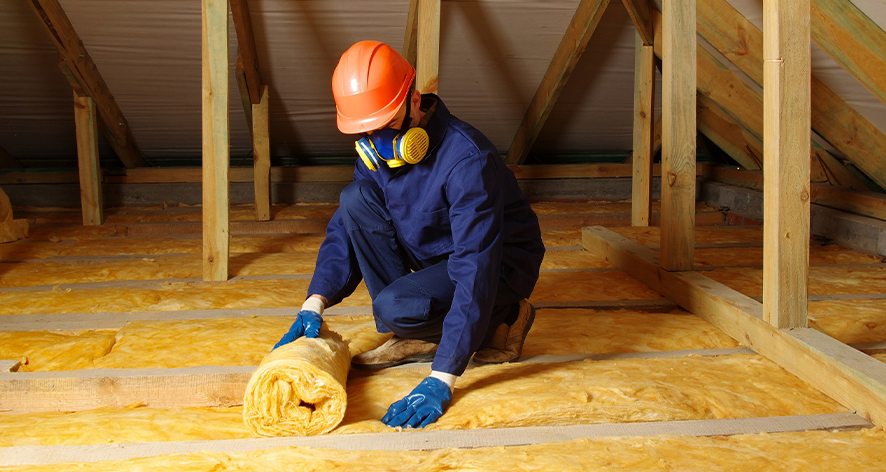
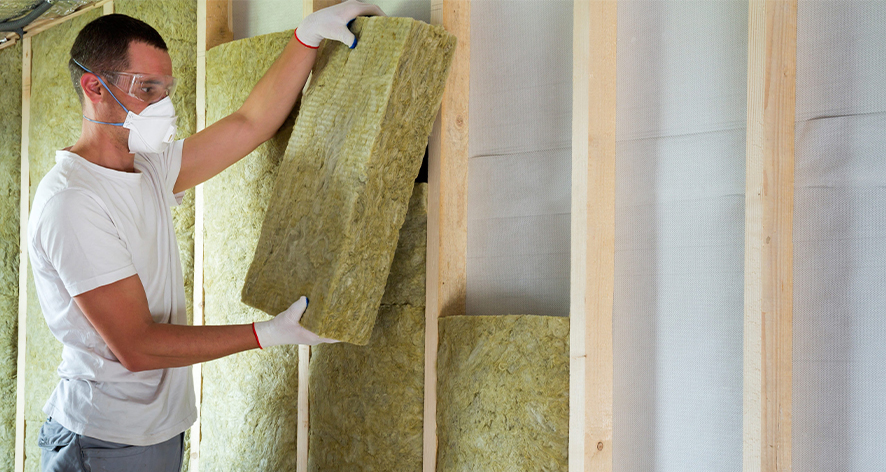
From there, professional ceiling insulation installers in Melbourne fit bulk insulation, commonly glasswool, polyester, or mineral wool batts, at the correct thickness and R-value for your home, making sure it isn’t compressed and doesn’t leave gaps around joists, pipes, or light fittings. In many homes, pairing ceiling insulation with reflective foil sarking at the roof level adds another layer of protection against radiant heat, which matters just as much on a hot Melbourne summer day as it does on a cold winter night.
This is also why it is worth using experienced insulation contractors in Melbourne rather than taking a DIY approach. Installed incorrectly, even a high R-value product can perform well below its rating, and working around electrical wiring in a confined roof space carries real safety risks if it isn’t handled properly. A qualified installer will also make sure the finished job complies with the NCC and AS/NZS 4859.1, so you are not left with insulation that looks fine but falls short of the standard it’s meant to meet.
Melbourne’s Ceiling Insulation Rebate Is About to Change
If you have been putting off fixing a cold ceiling because of the cost, the timing is worth knowing about. The Victorian Government has confirmed that ceiling insulation discounts under the Victorian Energy Upgrades (VEU) program are rolling out in stages through 2026. Public and community housing became eligible from 14 April 2026. From 1 October 2026, the discount opens up to all eligible Victorian households with an uninsulated or under-insulated ceiling, meaning existing insulation rated below R2.0.
According to Victoria’s energy department, almost 60 percent of homes in the state currently have no ceiling insulation or are under-insulated. Upgrading can save the average household more than $400 a year on energy costs. The VEU discount is expected to cut the typical installation cost by around 30 to 50 percent. Eligible Victorian households can access an incentive of up to $1,482, on top of a minimum customer contribution of $200 (exact figures depend on home size and current VEEC prices — confirm with an accredited VEU provider). Homes with unsafe wiring or old halogen downlights will need those issues resolved first before they qualify for the discount.
Getting a professional assessment now, ahead of the October rollout, means you’ll already know your current R-value and whether your ceiling qualifies as soon as bookings open more broadly. Full eligibility details are available on the Victorian Government’s Victorian Energy Upgrades insulation discounts page.
Get Ahead of the October Insulation Rebate
Book a free, no-obligation assessment now so you know exactly where your home stands, and you’re ready to move quickly once the Victorian Government’s ceiling insulation discount opens to all Melbourne households.
The Bottom Line
A freezing lounge room in the middle of a Melbourne winter is not something you have to put up with year after year. In most homes, it comes down to what is, or isn’t, sitting above the ceiling, and it is one of the more straightforward problems to fix properly once you know what you’re dealing with.
AA Insulation has been assessing and installing ceiling, wall, roof, and underfloor insulation across Melbourne homes, working on a “no hidden charges” basis and installing to Australian Standards. If your home has been feeling colder than it should this winter, get in touch for a free assessment and find out exactly what your ceiling needs.
Frequently Asked Questions
How do I know if my Melbourne home needs ceiling insulation?
The clearest signs are a heater that runs constantly without properly warming the house, a ceiling that feels cold to the touch, rising winter energy bills, or a home built before 2003, when mandatory energy efficiency and insulation requirements were first introduced, that has never been checked. The only way to know your exact R-value is a professional assessment, since insulation that looks fine from below can still be thin, compressed, or well under today’s recommended level.
What R-value do I need for ceiling insulation in Melbourne?
Melbourne falls under Climate Zone 6 in the National Construction Code, which sets a minimum ceiling insulation level of around R4.0, though the exact requirement depends on your roof type and ventilation. A licensed installer can confirm the right R-value for your specific home rather than relying on a general rule of thumb.
Is there a rebate for ceiling insulation in Victoria?
Yes. The Victorian Government’s Victorian Energy Upgrades program is introducing ceiling insulation discounts in stages through 2026, expanding to all eligible Victorian households from 1 October 2026. Homes with no insulation, or insulation below R2.0, may be eligible for a significant discount on installation costs, subject to any safety issues in the roof space being resolved first.
How much does ceiling insulation cost, and how long does installation take?
Costs vary depending on the size of your roof space and the type of insulation used, and whether old insulation needs removing first — so it’s worth getting a specific quote rather than relying on a general figure. Most standard residential ceiling insulation installations are completed within a single day.
Can I install ceiling insulation myself?
It’s possible, but not always advisable. Roof spaces contain electrical wiring, downlights, and other fixtures that need specific clearances, and incorrectly installed insulation, whether compressed, gapped, or placed too close to a heat source, can perform well below its rated R-value or create a safety hazard. Professional installation also helps ensure the finished work meets NCC and Australian Standard requirements.