Autumn has arrived across Australia. The mornings are cooler, the evenings are drawing in earlier, and Melbourne’s famously unpredictable weather is already teasing you with those first genuinely cold nights. And yet, most homeowners won’t think about their home insulation until they’re already shivering in June, staring at a heating bill that’s gone through the roof.
If you’ve clicked on this blog, you’re already ahead of the game. The question the title asks is, is your home insulation ready before winter hits? Is one worth answering right now, during autumn, while you still have time to do something about it?
This guide walks you through exactly what to check, what to look for, and what steps homeowners should be taking this autumn to make sure their homes are genuinely warm, energy-efficient, and winter-ready
First Things: When Does Autumn Start in Australia?
Autumn in Australia officially begins on 1 March and runs through to 31 May following the meteorological calendar rather than the astronomical one used in the Northern Hemisphere. That means the Australian autumn arrives earlier than many people expect.
For Melbourne homeowners, this seasonal window is critical. March and April often feel mild enough during the day, which gives a false sense of security. But overnight temperatures in Melbourne drop noticeably from late March onwards, and by May you’re already in what feels like early winter. The real preparation window, the time you have to assess and upgrade your insulation before conditions make it urgent, is March to April.
Miss that window, and you’re booking insulation work in the middle of winter when demand spikes, wait times are longer, and your family is already cold.
Autumn isn’t just a season. For homeowners, it’s a deadline.
So — Is Your Home Actually Ready? Here’s How to Tell
Rather than guessing, let’s do a quick readiness check. Ask yourself the following questions honestly:
Does Your Home Heat Up Slowly or Struggle to Stay Warm?
If it takes a long time for the rooms to get warm or if they cool down as soon as the heater turns off, it’s possible that the insulation isn’t keeping the heat inside. A house with good insulation keeps heat in much better, so your heater doesn’t have to work as hard and your home stays comfortable for longer.
Have You Noticed Your Energy Bills Creeping Up Each Winter?
Heating a poorly insulated home is expensive. When heat escapes through the ceiling, walls, or floor, your heating system compensates by running longer and working harder. If your winter energy bills feel disproportionately high compared to what you’re actually getting warmth-wise, poor home insulation is almost certainly a contributing factor.
Are There Cold Spots, Draughts, or Chilly Floors?
Cold air creeping in from floors, draughts along skirting boards, or particular rooms that never seem to warm up properly are classic signs of insulation gaps. Melbourne homes built on stumps with exposed subfloors are especially prone to significant heat loss through the floor, something many homeowners never even think to address.
When Was Your Insulation Last Checked or Installed?
Insulation doesn’t last forever. Depending on the product, installation quality, and whether moisture or pests have been an issue, insulation can degrade, compact, or shift over time, all of which reduce its R-value (its ability to resist heat transfer). If your home is over 15 years old and insulation hasn’t been assessed since it was installed, autumn is the time to get eyes on it.
Can You See or Access Your Roof Cavity?
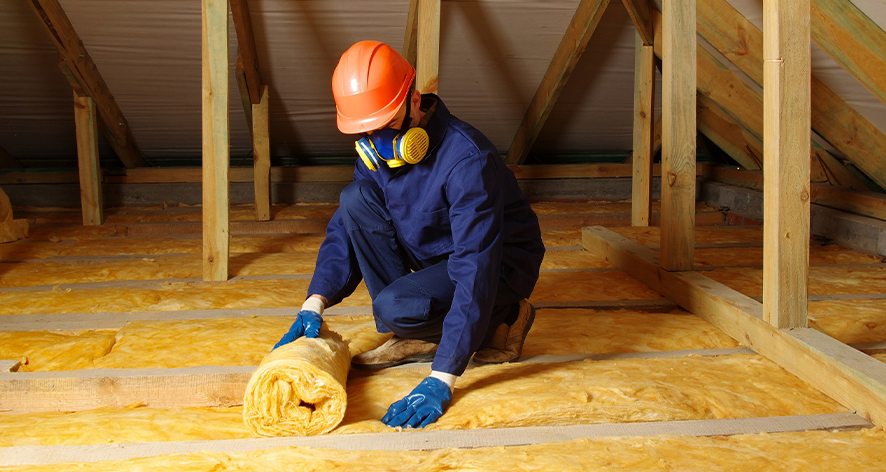
A quick look into your roof cavity can be revealing. If insulation is thin, patchy, has visible gaps, or shows signs of moisture damage, it’s not doing the job it should be. This is something experts can assess and advise on during an inspection.
The Three Areas Homeowners Must Focus On This Autumn
Ceiling Insulation
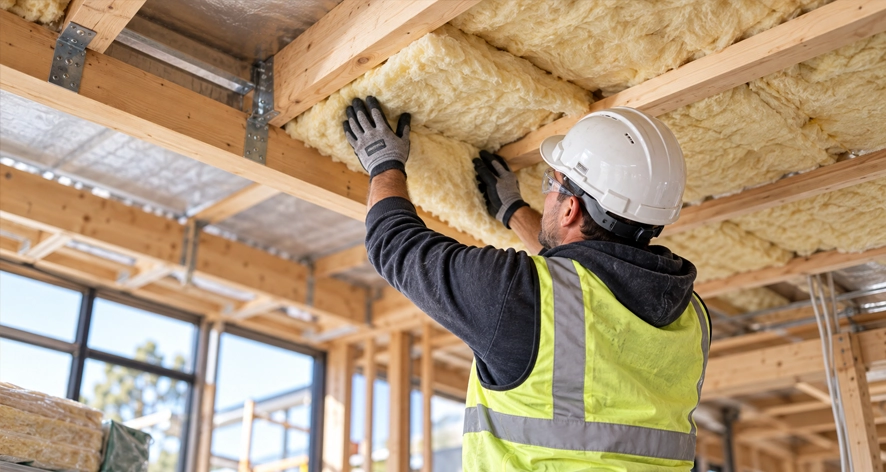
Heat rises. Which means in winter, your expensive warm air is heading straight up toward a poorly insulated ceiling and disappearing into the roof cavity. Ceiling insulation is typically the highest-impact investment a homeowner can make for winter warmth, and it’s also the most common area where insulation is absent, degraded, or undersized.
Experts use premium products from the top brands, all compliant with Australian building codes. Whether your ceiling needs a top-up or a full replacement, they will assess what’s needed and get it done properly.
Underfloor Insulation
Walk barefoot across your floor on a cold morning, and you’ll understand the problem instantly. Uninsulated subfloors, particularly in older homes built on stumps, allow cold outside air to circulate directly beneath your living space, chilling floors and driving up heating costs.
Professional underfloor insulation installers in Melbourne access the subfloor space to install purpose-designed batts that create a thermal barrier between the cold ground and your home. The results are immediate: warmer floors, fewer draughts, and a noticeably cosier home. If you’ve never had underfloor insulation installed, this autumn is the time.
Wall Insulation
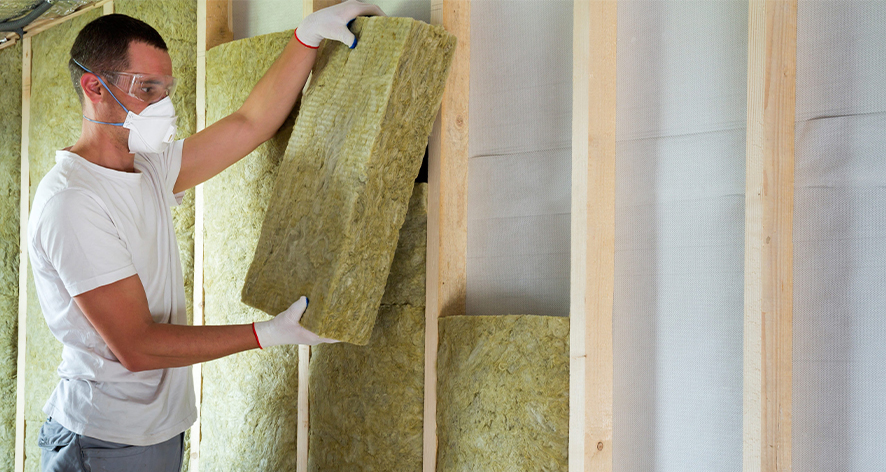
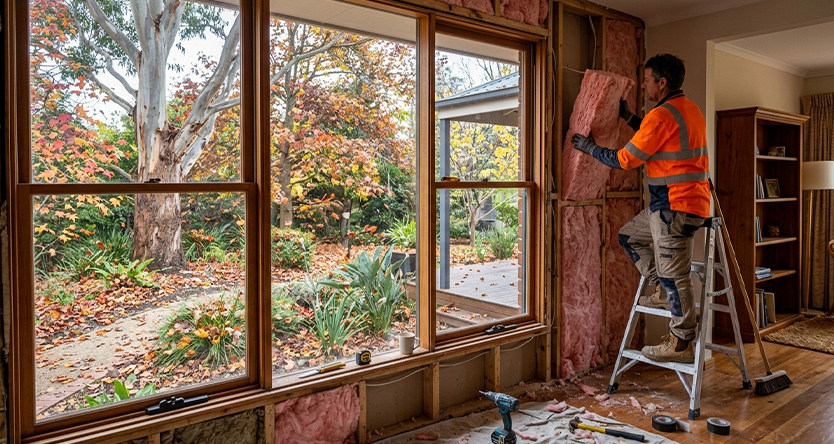
Walls make up a significant portion of your home’s surface area, and uninsulated wall cavities are a major pathway for heat loss, especially in older brick homes common throughout Melbourne’s inner and middle suburbs. While wall insulation is typically installed during construction or renovation, it can be retrofitted in many cases.
Wall and ceiling insulation in Melbourne plays a key role in improving thermal efficiency, with experts able to assess whether your wall cavities are suitable for upgrades. When combined with ceiling insulation, it delivers complete thermal coverage throughout your home.
Why Autumn Is the Right Time to Act — Not Winter, Not Spring
The timing really does matter. Here’s why autumn is the optimal window for insulation work in Melbourne:
- Booking availability is better, winter is peak season for insulation inquiries, and wait times blow out quickly
- Your home is ready before the cold arrives, not playing catch-up from within a cold house
- Conditions are easier for installers, roof cavities and subfloor spaces are more accessible in mild weather
- You’ll notice the savings immediately, from the very first cold nights of May and June
- Autumn inspections can also catch moisture or pest issues before they worsen over a wet winter
There’s no badge of honour in waiting until you’re cold to act. Autumn preparation is smarter, faster, and ultimately more effective.
Why Melbourne Homeowners Trust AA Insulation
AA Insulation is a Melbourne-based insulation and sisalation specialist working across residential and commercial properties. The team’s method is simple: first, they listen to what the client wants, then they honestly suggest the best answer, and finally, they finish every job to a level of quality that the client can depend on for years.
- Experienced installers across all insulation types; ceiling, wall, underfloor, roof, garage door, and sisalation/foil wrap
- Premium product range: Bradford, Earthwool, Ecowool, and Fletcher Insulation
- All work meets Australian building code compliance standards
- Transparent pricing; no hidden charges, ever. The quote you receive is the price you pay
- Available for both homes and commercial premises, for any project size
- Insulation removal services also available, essential before any quality replacement job
Whether you’re upgrading an older home, insulating a new build, or simply not sure what your home currently has and whether it’s adequate, our team will give you an honest answer and a fair price.
Get Your Insulation Assessed Now
Whether you need a full ceiling upgrade, underfloor insulation installed for the first time, or simply want an expert set of eyes on what you currently have, we are ready to help.
Start Reducing Your Energy Costs Today
Upgrade your insulation to improve comfort and lower your monthly energy bills.
Conclusion
Autumn in Australia isn’t just a seasonal shift, it’s your early warning system. The cool mornings and nights are signs that you should do something before winter really sets in. When you upgrade your home’s insulation in the fall, you’re not only getting ready for comfort, you’re also making a smart, long-term investment in lower energy bills, a better indoor environment, and more energy efficiency.
Whether it’s Wall and Ceiling Insulation, underfloor insulation, or a full home assessment, taking action now means you’ll avoid the winter rush and enjoy consistent warmth from day one. With AA Insulation, your home won’t just survive winter, it will stay comfortable, efficient, and cost-effective all year round.
FAQ’s
How do I know if my ceiling insulation needs replacing?
If you haven’t checked your home’s insulation in the last 15 to 20 years, it may have become less dense or broken down. Signs include rooms that are cold even though they are heated, high energy bills, and problems with wetness. Experts can look at the insulation you already have and tell you whether it needs to be topped up or replaced.
Do I need underfloor insulation if I already have ceiling insulation?
Yes, floors can account for a significant portion of heat loss in homes, particularly older homes on stumps with exposed subfloors. Adding underfloor insulation alongside ceiling insulation gives you full thermal coverage and maximises energy savings.
How long does insulation installation take?
Most residential projects are completed within a day. Larger or more complex homes, or those requiring insulation removal first, may take slightly longer. Experts will give you a clear timeline as part of your quote.