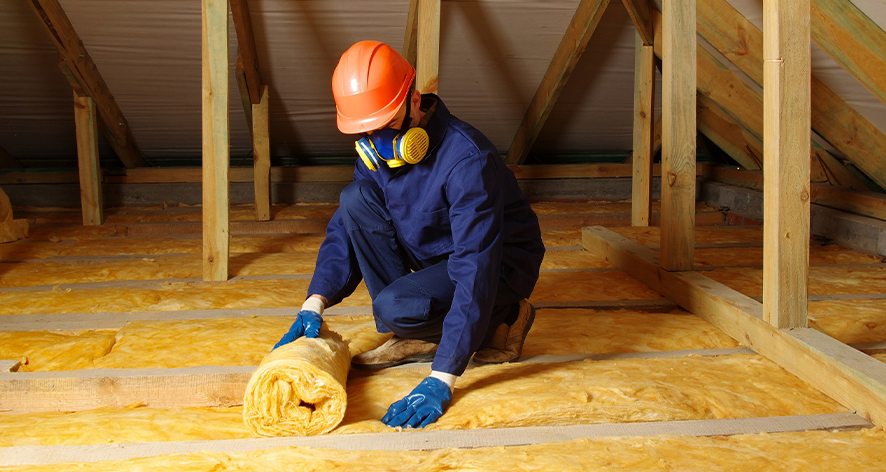
Have you noticed damp patches or a musty smell in your ceiling? You are not alone. Many Australian homes deal with the same problem, especially in the colder months.
The good news is there is a simple fix. Ceiling insulation to prevent condensation and mould is one of the easiest ways to protect your home and your family’s health.
In this guide, you will learn why condensation happens, how it can lead to mould, and how the right insulation stops both. We will also share simple steps you can use right away.
Australia has very different climates, from humid coastal cities to cold inland towns. No matter where you live, moisture can build up in a roof space if it is not managed well.
What Causes Condensation in a Ceiling?
Condensation happens when warm, moist air touches a cold surface. Your ceiling can get very cold overnight, especially in winter.
When warm air inside your home rises and meets that cold ceiling, the moisture turns into tiny water droplets. It is the same reason a cold glass of water “sweats” on a hot day.
The Australian Government’s Your Home guide on condensation explains that condensation can form on ceilings, walls, and even inside your roof space. This hidden moisture is often the first step toward mould.
Over time, trapped moisture soaks into ceiling linings, insulation, and timber framing. That sets the stage for mould to take hold.
Why Does Mould Grow After Condensation?
Mould needs three things to grow: moisture, warmth, and a food source. A damp ceiling can offer all three once condensation sets in.
Ceiling linings, dust, and timber all give mould something to feed on. Once it starts, mould can spread quickly in the right conditions.
NSW Health explains that mould releases tiny spores into the air. Breathing these in can trigger a runny nose, eye irritation, and wheezing, and it may cause asthma attacks in people who are sensitive.
This is exactly why learning how to prevent mould in ceiling spaces matters. It is not just about your home. It is about keeping your family healthy.
As a general guide, WorkSafe Queensland recommends keeping indoor humidity between 30 and 50 percent. Good airflow also helps stop mould from taking hold.
Ceiling Insulation to Prevent Condensation and Mould: How It Works
This is where the right insulation makes a real difference. Good insulation deals with the root cause, not just the symptoms.
Keeps Ceiling Surfaces Warmer
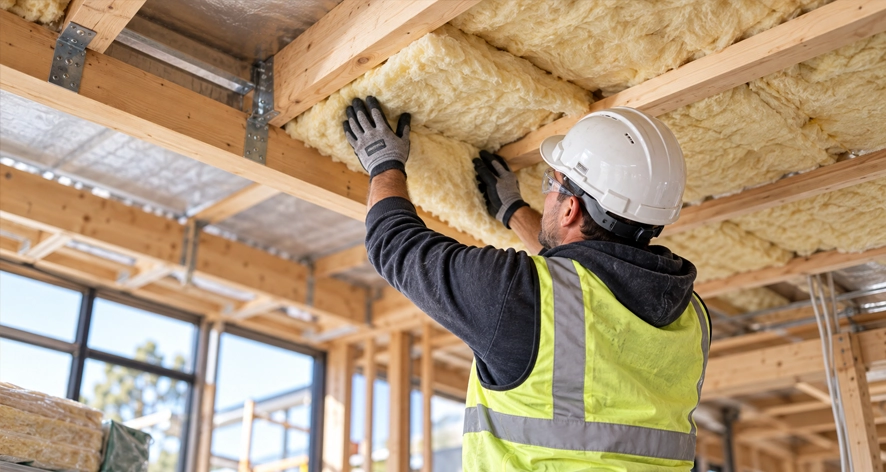
Insulation acts like a blanket for your home. It slows down heat loss through the ceiling. A warmer ceiling surface means there is less chance for moist air to hit a cold spot. Less cold contact means less condensation.
Reduces Moisture Build-Up
SA Health notes that insulated walls and ceilings stay warmer, which reduces condensation and helps keep a home dry.
This means insulation is not just about comfort. It plays a direct role in mould prevention.
Reduces Moisture Build-Up
SA Health notes that insulated walls and ceilings stay warmer, which reduces condensation and helps keep a home dry.This means insulation is not just about comfort. It plays a direct role in mould prevention.
Works Best With Good Ventilation
Insulation on its own is not a magic fix. It works best alongside proper roof space ventilation. The Australian Government’s YourHome resource on insulation recommends well-ventilated roof spaces to remove excess moisture and lower the risk of mould.
Think of insulation and ventilation as a team. One keeps the ceiling warm. The other lets trapped moisture escape.
Our team can inspect your roof space and recommend the right insulation for your home.
Signs of Roof Insulation Condensation Problems
How do you know if your roof space already has a problem? Look out for these signs.
- Musty or damp smells inside the house
- Dark or discoloured patches on the ceiling
- Peeling paint or bubbling on ceiling surfaces
- Wet, flattened, or sagging insulation in the roof space
- Visible mould spots near cornices or corners
If you notice any of these, you may already have roof insulation condensation problems. It is best to get your roof space checked as soon as you can.
What Happens if the Problem Is Ignored?
It is tempting to leave a small damp patch and hope it dries out on its own. Unfortunately, ceiling moisture rarely fixes itself.
Left untreated, condensation can soak into timber framing and ceiling linings. Over time, this can weaken the structure and lead to costly repairs.
Mould can also spread from the ceiling into other parts of the home, including walls and carpets. The longer it is left, the harder and more disruptive it becomes to remove.
Acting early on condensation and mould is almost always simpler than dealing with major damage later. Insulation is one of the most practical ways to get ahead of the problem.
How to Reduce Condensation in the Ceiling
Here are simple steps that help.
1. Select the Correct Insulation
Choose an insulation that has the proper R-value for your climate zone. The National Construction Code prescribes minimum R-values for ceilings, and the latest version of NCC 2025 also toughened up the requirements for controlling condensation on roofs and walls. Timing of the adoption depends on the state; ask your installer which edition is applicable in your area.
2. Install It Correctly
Gaps or thin spots let cold air through and create cold patches. You’ll get the best result when the whole ceiling is covered evenly.
3. Ventilate the Roof Space
The trapped moisture is removed by roof vents and whirlybirds. This prevents water vapor from accumulating above your ceiling.
4. Use Exhaust Fans
Kitchens and bathrooms are sources of moisture. Using exhaust fans that vent to the outside air reduces indoor humidity.
5. Maintain a Constant Temperature.
SA Health recommends maintaining lower, continuous heat on cooler days. This helps prevent the build-up of condensation on cold surfaces.
All of these steps will help you see exactly how to eliminate condensation in the ceiling and maintain a healthier home throughout the year.
Selecting the Ideal Ceiling Insulation for Mould Prevention
Not every insulation is the same. The final selection will depend on your climate and home design.
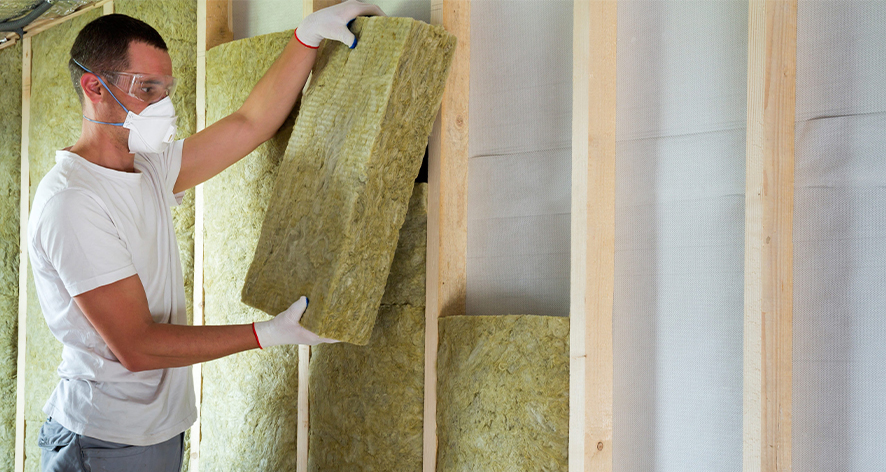
Bulk insulation, such as batts, traps air and reduces heat movement. Reflective insulation rejects heat and works well for roofs in our climate, according to the Australian Government’s YourHome website.
Many houses built in Australia for ceiling insulation to prevent mould growth use a combination of both types. This provides a more consistent temperature throughout the year.
Homes in hot, humid areas face different challenges to homes in cold climates. The Australian Government’s energy.gov.au notes that in tropical and sub-tropical regions, roof spaces should be actively ventilated and designed with condensation removal in mind. Quality bulk and reflective insulation help too.
Always check that your insulation meets the R-value listed in the National Construction Code for your climate zone. A qualified installer can help you get this right the first time.
The Importance of Professional Installation
Even the best insulation will not be very effective if it is not properly installed. Cracks, bulges, or gaps in the insulation can create cold spots where condensation forms.
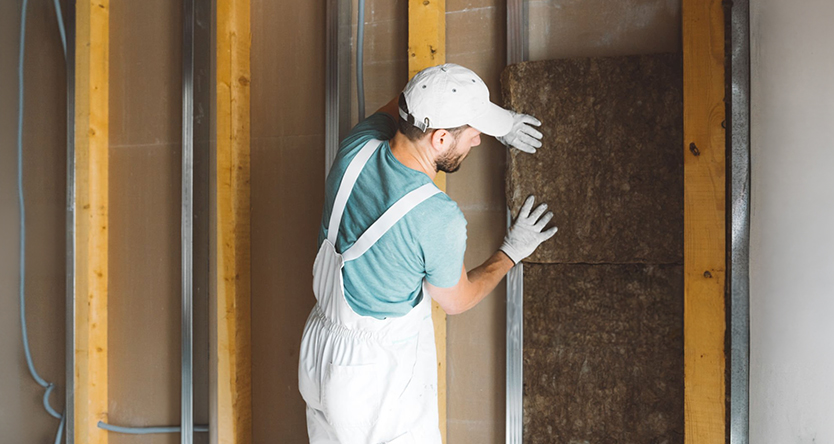
A professional installer knows how to work around downlights, vents and roof beams, and can often spot signs of moisture problems you’d miss.
Booking a roof inspection first is a good move, it helps flag any existing issues so they get fixed alongside the new insulation, not ignored.
Let our experienced team recommend and install the right insulation for your home.
Conclusion
Condensation and mould can quietly damage your home and affect your family’s health. The good news? The right insulation combined with good ventilation can stop the problem before it starts.
When it’s time to safeguard your ceiling properly, AA Insulation is here to help. Visit aainsulation.com.au to learn more about our ceiling insulation services and book your free inspection today.
Frequently Asked Questions
Does ceiling insulation prevent mould?
Insulation is important but most effectively combined with good ventilation and moisture control. They work together to address the primary causes of mould.
What is the optimum R value to minimise condensation?
This will vary by climate zone. The minimum R values are specified in the National Construction Code, and a professional installer should be able to recommend the appropriate R value for you.
Do I need to increase the ventilation in my roof space?
Musty odour, damp spots or fogged windows are signs of insufficient ventilation. This can be confirmed with a roof space inspection.
Is mould in the ceiling dangerous?
Exposure to mould can trigger problems like runny nose, skin and eye irritations and make people with asthma or allergies feel worse. Health authorities advise that mould be treated when it is detected.
How often is it advisable to check ceiling insulation?
If you have a roof space, it’s worth checking every few years. Check sooner if you notice damp patches, musty smells, or your home feeling cooler than usual.