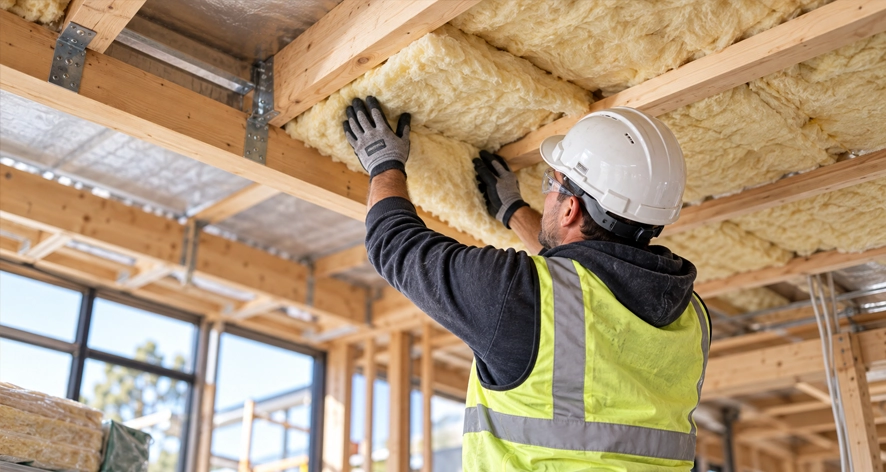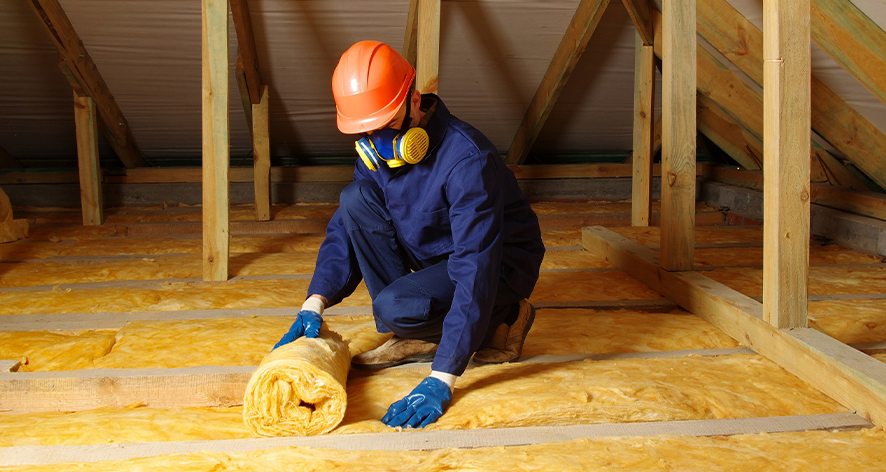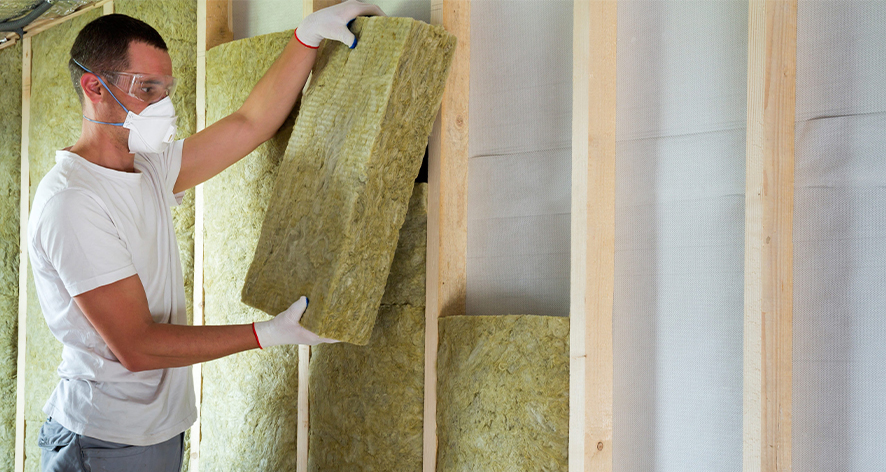

One effective way to increase comfort and reduce electricity bills with insulation. Good ceiling insulation will keep warmth inside during winter and block heat during summer by strengthening your home’s ability to manage heat. This, in turn, reduces the frequency at which your heater or air conditioner would have to run, allowing you to save every season. If you want real home insulation energy savings and a smarter, energy-efficient home, insulation installation is a powerful improvement that will last.
What is Ceiling Insulation, and Why is it So Important?
Ceiling insulation acts like a thermal shield, reducing the speed of heat transfer between the interior of your home and the outside weather. In many Australian homes, large quantities of heat are lost through the ceiling during winter and gained through the roof during summer, resulting in the heating and cooling systems working harder to compensate for these losses.
Proper Insulation installation in your ceiling can make it more energy-efficient because it will stabilise indoor temperatures and reduce daily energy use.
How Ceiling Insulation Saves Electricity Bills
Less Heating and Cooling Needed
It is a fact that heating and cooling are the largest household electricity consumers. Ceiling insulation reduces the rate at which warmth leaves your home or absorbs heat from it; thus, the systems will run for shorter periods. This immediately saves on electricity bills.
Better Energy Efficiency
Energy-efficient home improvements go a long way in optimising everyday comfort. Properly insulating the house can save up to 40 per cent of the energy used for heating and cooling, depending on the type of insulation, its R-value, and the house’s design.
Smoother temperatures
Without it, the rooms remain either hot or cold. Insulation in the ceiling helps maintain stable indoor temperatures, allowing one to spend less time adjusting the thermostat. In this way, insulation helps cut an electricity bill, as it works naturally.
Start with Ceiling Insulation
To improve your house’s energy performance, insulation is a great place to start. These are some advantages:
- Immediate comfort upgrades
- Year-round energy savings
- Performance that lasts, with less maintenance
- Strong protection against temperature changes
Because heat rises, the ceiling is where most energy is lost. Adding or upgrading insulation in the ceiling first provides the greatest return on investment and long-term benefits.
New Homes and Older Homes
New Homes
New homes have the advantage of choosing the best insulation for Australian homes during construction. Builders can install high-quality batts with strong R-values from the outset, ensuring maximum energy efficiency from the very beginning.
It helps save on electricity bills from the very first year of living in the home through insulation.
Older Homes
Older homes are more likely to have worn-out, compressed or low-grade insulation. Others may not have any insulation whatsoever.
Retrofitting an older home with modern insulation yields instant comfort and significant energy savings. Most families experience reduced drafts, fewer temperature fluctuations, and much lower electricity bills following the installation.
Value of Insulation
Ceiling insulation can provide more than just financial savings; it can also ensure long-term comfort, improve air quality, and increase property value.
Better Indoor Air Quality
Insulation can be used to reduce the entry of dust, pollutants, and outdoor air into your home, providing a healthier breathing environment and a cleaner indoor space.
Noise Reduction
Many insulation products offer acoustic benefits. This is particularly helpful for homes that face busy roads, schools, or shared walls.
Higher Property Value
Energy-efficient homes attract buyers as they are cheaper to run and more comfortable. Proper ceiling insulation adds value and makes your home more appealing to the market.
Energy Use Sustainability
When your home uses less electricity to maintain comfort, it supports a more energy-efficient lifestyle with a lower environmental impact.
Installing Insulation to Save
Professional installation ensures the best results. Even the best insulation is poorly effective if improperly installed. For maximum home insulation energy savings, select installers that:
- Understand different insulation materials.
- Use appropriate safety standards.
- Ensure full coverage without gaps.
- Safely remove old or damaged insulation.
- Provide clear pricing, with no hidden charges.
With the right crew and materials, your ceiling insulation will return decades of energy-efficient performance.
Choosing experienced ceiling insulation installers in Melbourne such as AA Insulation that homeowners trust can help maximise energy savings and significantly reduce your electricity bills.
Conclusion
Ceiling insulation is an easy and inexpensive method of reducing your electricity bills and providing comfort throughout the year.
The thermal loss is reduced, resulting in smoother temperature control, which helps make your home more energy-efficient. Whether you live in a modern building or an older house, upgrading your ceiling insulation can ensure long-term comfort and significant savings.
This improvement offers significant value with lasting benefits for those seeking ways to reduce their electricity bills through insulation.
AA Insulation helps you enjoy a more comfortable home while spending less on power. Ceiling insulation reduces heat loss, lowers energy use, and keeps your home steady in every season.
By choosing quality insulation, you can enjoy long-term savings and better comfort. For reliable service and real results, trust AA Insulation to make your home more energy-efficient.
FAQ’s
How does insulating the ceiling save on electricity bills?
This slows down heat transfer, allowing your home to stay warmer during winter and cooler during summer. The resultant effect is a reduction in electricity costs due to decreased heating and cooling usage.
Should I upgrade insulation in an older home?
Yes, older insulation loses effectiveness over time. Upgrading is extremely effective in providing better comfort, reducing drafts, and achieving significant energy savings.
What R-value is best for ceiling insulation?
Most Australian homes derive benefit from R4.0 to R6.0. Higher R-values offer better energy efficiency and more stable indoor temperatures.
Does ceiling insulation offer noise abatement?
Yes. Many insulation types offer sound-reducing benefits, making your house quieter and more comfortable, especially in noisy areas.
How long does ceiling insulation last?
Quality insulation, when installed correctly and periodically inspected for damage or water issues, can last from 20 to 50 years.