
You face a tough choice when budgeting for insulation improvements in your Melbourne home. Should you tackle walls or ceilings first? Both options help maintain comfortable indoor temperatures and reduce energy bills. However, one usually delivers faster results and better value for your money.
Melbourne’s weather swings from scorching summers to freezing winters. Your home needs strong thermal protection to handle these extremes. Without proper insulation, warm air escapes through walls and ceilings during winter. Hot air invades your living spaces during summer. Your heating and cooling systems work overtime to compensate. This drives up energy consumption and utility costs.
We’ll compare wall and ceiling insulation in detail. You’ll learn about their benefits, effectiveness, and when each option makes sense for your home. By the end, you’ll know exactly how to prioritise your insulation investment for maximum returns.
Understanding Wall and Ceiling Insulation
Ceiling insulation stops heat transfer through your roof space. It creates a barrier between your living areas and the air above. The insulation traps air pockets that slow down heat movement. Warmth stays inside during winter. Heat gets blocked from entering during the summer.
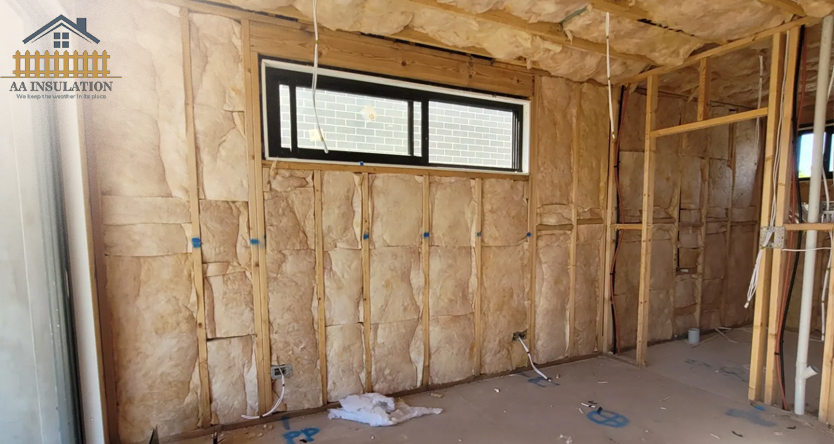
Wall insulation targets heat loss through external walls. Your walls cover a large surface area in most homes. The insulation uses materials with air pockets to create a thermal barrier. This helps regulate indoor temperatures throughout the year.
Many Melbourne properties benefit from both types. Your priorities might differ based on home design and budget. Professional ceiling insulation installers in Melbourne can assess your current situation. They look at your property’s age, construction type, and existing insulation condition. Then they recommend the most effective approach for your needs.
The Case for Ceiling Insulation
Heat rises naturally. This makes your ceiling a critical barrier against thermal loss in winter and heat gain in summer. Warm air from your heating system escapes through the roof during cold months without proper ceiling insulation. Intense summer heat radiates down into your living spaces. Your climate control systems work much harder than needed.
Ceiling insulation can reduce heating and cooling costs by up to 45%. This substantial saving makes it one of the most cost-effective home improvements available. The installation process often costs less than wall insulation. Roof cavities are usually easy to access in existing homes.
Ceiling insulation also provides excellent sound insulation in Melbourne properties. It reduces noise from rain, wind, and external sources. You get a quieter, more peaceful living environment.
Poor ceiling insulation leads to condensation and mould growth. Temperature differences in roof spaces create moisture buildup. Quality insulation maintains consistent temperatures that prevent these problems.
The Case for Wall Insulation
Walls cover more surface area than ceilings in most homes. This makes them a major source of heat transfer. External walls face outdoor temperatures constantly. Heat moves in or out depending on the season without adequate insulation. You need both wall and ceiling insulation for complete thermal protection.
Wall insulation works particularly well in multi-storey homes. It also suits properties with limited roof space. The insulation provides consistent temperature control across all rooms and levels. You get uniform comfort throughout your entire home. Cold spots in winter and overheated areas in summer disappear.
Wall insulation reduces external noise transmission significantly. This benefit stands out in homes near busy roads or in crowded neighbourhoods.
Retrofitting wall insulation in existing homes can be complex and costly. The process may require removing internal wall linings or drilling access points. Labour costs and project complexity increase. Despite this, the long-term benefits often justify the investment.
Comparing Performance: Which Delivers Greater Impact?
Ceiling insulation delivers the greatest immediate impact on energy efficiency in most Melbourne homes. Heat rises, and roof spaces experience the most extreme temperature changes. Proper ceiling insulation can reduce energy consumption for heating and cooling by 35-45%. You see quick returns on your investment.
However, combining both wall and ceiling insulation provides optimal results. Potential energy savings can reach up to 60%. This comprehensive approach addresses all major thermal pathways. You create a fully protected thermal envelope around your living spaces.
Several factors affect which option delivers better value for your situation. Homes with already-insulated ceilings will see more dramatic improvements from adding wall insulation. The opposite applies too. Your property’s age and construction type play key roles. Older homes often have little to no existing insulation. Newer properties may already meet minimum building standards in one area but not another.
Professional insulation services Melbourne providers conduct thermal imaging assessments. They identify where your home loses the most energy. You can prioritise improvements that deliver maximum impact.
Making the Right Choice for Your Melbourne Home
Start with a professional insulation audit to assess your current situation. Qualified ceiling insulation installers Melbourne evaluate your existing insulation and identify problem areas. They recommend the most cost-effective improvement strategy for your home.
Most experts recommend prioritising ceiling insulation first if the budget is limited. Add wall insulation when finances allow. This approach addresses the area where you’ll see the quickest returns. It creates a pathway for complete protection over time.
Certain situations call for prioritising wall insulation instead. Single-storey homes with minimal roof space may benefit more from wall insulation. Ceiling improvements offer limited surface area to work with in these cases. Properties with adequate ceiling insulation but bare walls gain more from addressing the walls first.
Address any old or damaged materials before installing new insulation. Professional insulation removals Melbourne services safely remove contaminated, compressed, or water-damaged insulation. These materials reduce thermal performance and may pose health risks.
Make Smarter Insulation Decisions
Get personalised advice on the most effective insulation upgrade for your budget.
FAQ’s
Can I install both wall and ceiling insulation simultaneously?
Yes, installing both types at the same time is possible and often more cost-effective than undertaking separate projects. Professional installers can coordinate the work efficiently, reducing overall labour costs and minimising disruption to your household. This approach also ensures your home receives comprehensive thermal protection more quickly.
How long does insulation last?
Quality insulation typically lasts 40-80 years when properly installed and maintained. Materials like glasswool and polyester batts are highly durable and don’t degrade significantly over time. However, insulation can be damaged by moisture, pests, or compression, which is why regular inspections help identify issues early before they affect performance.
Will insulation really reduce my energy bills?
Absolutely. Data shows average energy bill reductions of 20-45% depending on insulation type, coverage, and your home’s specific characteristics. Savings vary based on home size, how frequently you use heating and cooling, and what insulation existed previously. Most homeowners see payback periods of 3-5 years, after which the savings represent pure financial benefit.


