The question many homeowners seem to ask is, Which is better: wall insulation or ceiling insulation? Both have distinct benefits that are highly dependent upon the design of the home, the age, and the insulation goals of a homeowner.
Wall and Ceiling Insulation Melbourne plays a major role in creating comfortable homes that can handle cool winters, warm summers, and sudden temperature changes in the city.
This blog breaks down each option clearly so you can decide which insulation type will deliver the best comfort, energy savings, and long-term value for your Melbourne home.
Understanding Insulation Needs In Melbourne Homes
Melbourne has an unpredictable climate, including warm afternoons, cool nights, and sudden changes at any time of the year.
The advantages of insulation are multifold, and it will be one of the most valuable improvements that a home could have.
Without proper insulation, the heat quickly escapes in winter and easily in summer, hence compelling heating or cooling systems to work harder.
Effective insulation gives comfort, cuts energy bills, reduces noise, and increases the general value of your house.
Whether you are choosing wall insulation, ceiling insulation Melbourne, or taking a look at roof insulation Melbourne, the focus is on giving your home stability, comfort, and energy efficiency.
What Is Wall Insulation?
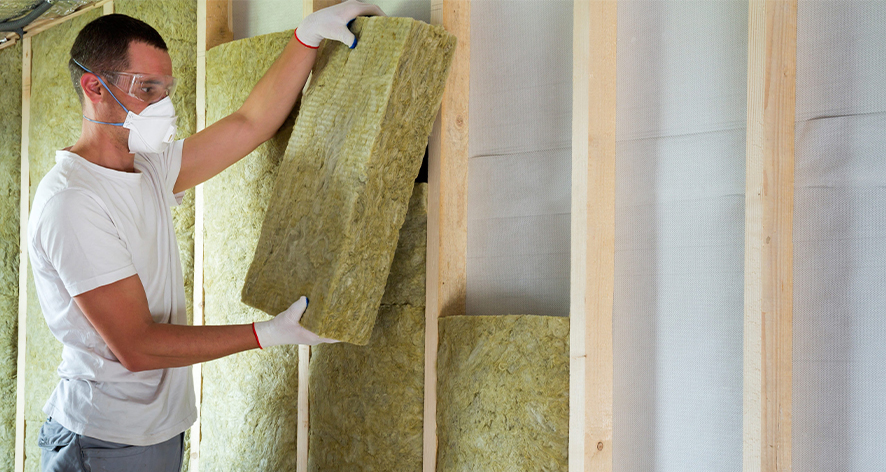
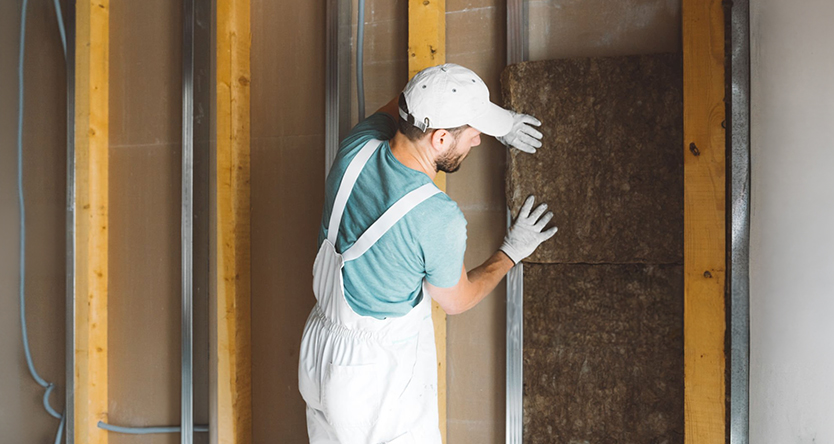
Internal wall insulation is placed either on the external or internal walls of a house. It acts as a barrier to slow down the passage of heat from one room to another or from the inside of your house to the outside, and vice versa.
Wall insulation can be installed in both new builds and existing homes using specialised methods.
Properties most benefited by this include those with large wall areas, older homes, thinner walls, or houses exposed to cold winds.
Besides, wall insulation provides thermal and acoustic advantages, adding comfort to one’s home.
Benefits Of Wall Insulation
1. Improved temperature stability
Wall insulation prevents heat from leaking out in winter and stops warm external air from entering in summer, achieving a balanced indoor air temperature.
2. Better Energy Efficiency
The insulation of walls cuts down on the number of times that heating and cooling systems run. This reduces energy consumption and cuts monthly power bills proportionately.
3. Strong noise reduction
The insulation of walls can absorb sound waves, which makes it ideal for reducing street noise, neighbour noise, or any noise passing between rooms.
4. Improved Property Value
Energy efficiency makes houses more appealing to buyers. Insulation of walls can make homes feel warmer, quieter, and more up-to-date.
5. Reduced Moisture Buildup
Proper installation of wall insulation reduces condensation, which in turn limits mould growth, hence improving indoor air quality.
What Is Ceiling Insulation?
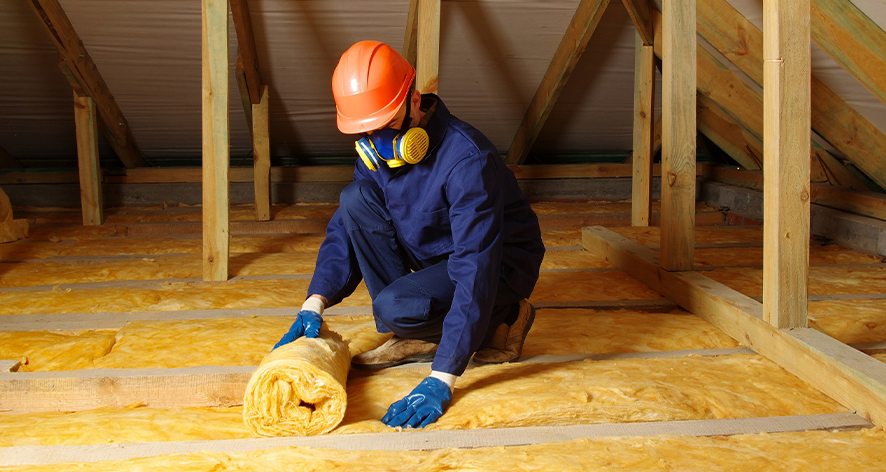
It is installed between the ceiling and the roof cavity. Ceilings account for the biggest amount of heat loss during winter and heat gain during summer, since heat tends to rise.
That’s why ceiling insulation Melbourne is considered essential for every home.
Most ceiling insulation works in conjunction with roof insulation. A majority of people look for the terms “roof insulation installers nearby,” thinking that it is a different service.
The truth is, roof and ceiling insulation often work together to keep the home cooler during summer and warmer during winter.
Benefits Of Ceiling Insulation
1. Prevents Heat Loss and Heat Gain
It can prevent up to 35% of all heat transfer and thus provide immediate comfort by trapping air in winter and blocking hot roof temperatures in summer.
2. Reduced Electricity Bills
With less heat transfer, your heating and cooling systems work much more efficiently; this, in turn, means huge savings throughout the year.
3. Suitable for every kind of home
Ceiling insulation is suitable for new builds, older homes, units, townhouses, and double-storey homes. It is installed quickly, and it is non-intrusive.
4. Reduced Environmental Impact
Energy-efficient homes consume less power, reduce carbon footprint, and increase sustainability.
5. Long-Lasting Protection
Good-quality insulation will remain effective for over 20 years without significant thermal performance losses.
When Ceiling Insulation Performs Better?
Ceiling insulation is preferred when:
- You desire the fastest increase in comfort.
- Your energy bills are too high because of too much cooling or heating.
- Your house has a big roof space that is exposed to heat or cold.
- You feel noticeable temperature fluctuations: hot rooms in summer, cold rooms in winter.
- You want a cost-effective upgrade, with a strong return on investment.
Ceiling insulation Melbourne gives the maximum benefit in most Melbourne houses, as the roof is the primary path for the movement of heat.
Conclusion
Insulation of both Melbourne walls and ceilings plays an important role in comfort, energy efficiency, and quietness within the house.
While ceiling insulation gives the fastest improvement in indoor comfort and slashes down energy bills, wall insulation acts to enhance long-term stability, noise control, and temperature consistency.
The best results will be achieved by using them together. If appropriately advised and correctly installed, your home will be warmer in winter and cooler in summer, thereby ensuring efficiency throughout the year.
AA Insulation helps Melbourne homeowners make smarter insulation choices. Whether you insulate your walls or ceilings, the best option depends on your home’s needs, energy goals, and comfort level.
Both play a key role in reducing heat loss and improving efficiency. With the right guidance, you can enjoy year-round comfort. Trust AA Insulation for reliable, long-lasting solutions.