Foil insulation is one of the most effective and affordable ways to control temperature and moisture in homes, sheds, and garages. Whether you’re renovating an existing structure or starting from scratch, installing reflective foil insulation the right way can make a big difference in comfort, energy efficiency, and long-term savings.
In this guide, we’ll walk you through the correct method for installing foil insulation, step by step. From choosing the right type to fitting it in roofs, walls, and floors, we’ll explain everything in simple words to help you get it done properly.
What Is Foil Insulation?
Foil insulation, often called reflective foil insulation, acts as a barrier that bounces heat away instead of soaking it in. Typically, it has a core composed of foam or plastic and one or two layers of reflective aluminium foil. It helps keep your space warm in winter and cool in summer by reflecting radiant heat.
This type of insulation is popular in both homes and non-living spaces like garages and sheds because of its lightweight design and excellent thermal performance.
Why Correct Installation Matters?
Installing foilboard insulation or foil wrap insulation the wrong way can reduce its effectiveness. Proper installation:- Prevents the loss of heat in the winter and its gain in the summer..
- Reduces condensation and moisture build-up
- Improves energy efficiency and lowers electricity bills
- Enhances indoor comfort all year round
Whether it’s wall insulation, underfloor insulation, or ceiling insulation, how you install it matters just as much as the product you choose.
How To Install Foil Insulation Correctly?
Let’s break down the installation process into clear steps for different parts of your structure.
1. Preparing The Area
- Check The Surface
Before you start installing foil insulation, make sure the surface is clean, dry, and free from nails or sharp edges that can damage the foil. This applies whether you’re installing on the roof, wall, or floor.
- Gather the Right Tools
You’ll need staples or foil tape, scissors or a utility knife, measuring tape, and a staple gun or hammer tacker. For larger projects, consider using a helper for safety and speed.
2. Installing Foil Roof Insulation
- Start From The Roof Cavity
Place the reflecting side of the foil roof insulation into the living area, pointing downward, while installing it. This helps reflect radiant heat away during hot days.
- Maintain An Air Gap
For foilboard insulation to work effectively in the roof, leave a 20–40mm air gap between the foil and the roofing material. The foil can appropriately reflect heat thanks to this gap.
- Staple Securely
Fix the foil to the rafters using staples, making sure it’s taut. Overlap the edges by at least 50mm and seal the seams with foil tape to stop air or moisture from leaking through.
3. Installing Wall Insulation
- Position The Foil Correctly
When applying wall insulation, make sure the foil side faces the inside of the room. In the winter, this aids in redistributing heat from indoors to the room.
- Fix to Studs
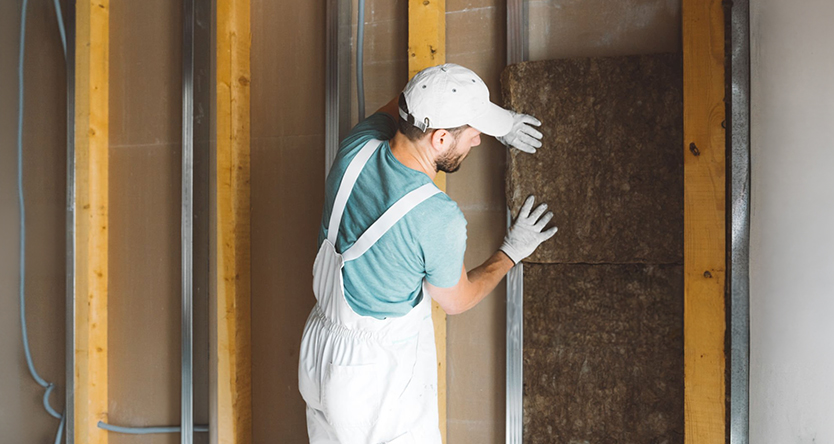
Attach the foil wrap insulation directly to the timber or steel studs. Cut it neatly to fit around windows and door frames. Avoid compressing the insulation, as it needs space to reflect heat effectively.
- Seal Joints
Use foil tape to seal all joints and overlaps. This helps stop air movement, which can reduce the insulation’s performance.
4. Installing Underfloor Insulation
- Choose The Right Product
Underfloor insulation often needs a more rigid material. Foilboard insulation is a great option under raised floors or suspended timber floors.
- Face Foil Downward
The foil side should face downward to reflect rising ground heat and help reduce heat loss during winter.
- Secure Firmly
Attach the panels or rolls between the floor joists using insulation strapping or staples. Make sure they don’t sag or come into contact with the ground.
5. Installing Ceiling Insulation
- Positioning Is Key
Foil insulation in ceilings should be placed with the foil facing the inside of the home. You can install it either above or below the ceiling plaster, depending on access.
- Ensure Coverage
Try to avoid gaps or spaces between sheets. Each exposed region lessens the insulation’s effectiveness. For complex ceiling spaces, consider combining foilboard with bulk insulation.
6. Shed Insulation: Keep Your Workshop Comfortable
- Ideal For Metal Sheds
Sheds often have metal roofing, which can heat up quickly. Installing shed insulation with a reflective foil layer can greatly reduce internal temperatures.
- Combine With Ventilation
Good ventilation, along with foil insulation, can help maintain airflow and reduce condensation inside sheds.
- Easy To DIY
Most shed insulation can be fitted using basic tools. Reflective foil insulation is lightweight and can be stapled or taped directly to the shed’s frame.
7. Garage Door Insulation
- Often Overlooked
One major source of heat input or loss is garage doors. Using foilboard insulation or reflective panels on the door’s inner side can help regulate temperature.
- DIY Installation
Cut the foil board panels to size and fix them onto each door panel. Use double-sided tape or adhesive that’s suitable for metal or wood.
- Improved Comfort
This small step can make a big difference, especially if your garage is attached to your house or used as a workspace.
8. Tips For Foil Wrap Insulation Installation In Melbourne And Other Climates
- Consider Local Climate
Foil wrap insulation installation in Melbourne requires careful attention to moisture control due to the variable weather. Use breather-type foil if moisture build-up is a concern.
- Combine With Other Materials
In colder areas, pairing reflective foil with bulk insulation provides better year-round comfort.
- Follow Safety Codes
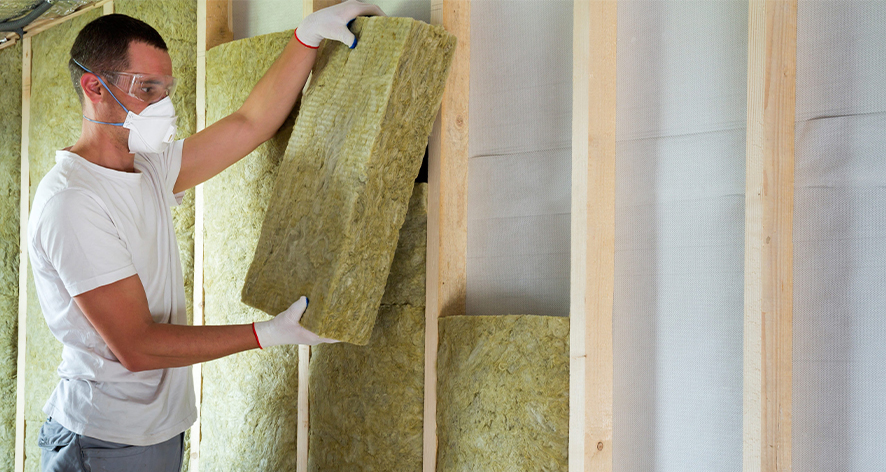
Always follow local building codes and safety standards when installing any type of insulation. When handling insulating materials, wear a dust mask, safety goggles, and gloves.
Conclusion
Installing foil insulation correctly in your home, shed, or garage can make a significant difference in comfort, energy savings, and building performance. Whether you’re working on foil roof insulation, ceiling insulation, or even garage door insulation, using the right technique and materials is key.
If you want expert installation and quality service, look no further than AA Insulation. Our team of professionals ensures proper installation to help keep your space cool in summer and warm in winter. With years of experience, we offer tailored insulation solutions to meet your needs.
Choose AA Insulation for reliable service and exceptional results that enhance your home’s energy efficiency. Visit our website for more details and get in touch with our team today.