
When you live in Melbourne, one minute it’s sunny, the next you are turning up the heater to combat a sudden southerly buster. Many homeowners find themselves fighting a losing battle against the elements, with heaters and air conditioners running nonstop just to maintain a bearable temperature.
The problem often isn’t your heater or your glazing; it’s what is hidden inside your walls. While many older Victorian homes have some form of roof protection, the walls are often left empty or fitted with thin, low-quality batts. This is where high-density insulation changes the game. It is not just about stuffing more fluff into the cavity; it is about smarter thermal management.
High-Density vs. Standard Insulation: What’s the Difference?
When you head to a hardware store, you will see bags of insulation labelled with ‘R-values’. But not all batts are created equal, even if they look similar.
Defining Density
Standard insulation works by trapping pockets of air within spun glass or polyester fibres. High-density insulation takes this concept further by packing significantly more fibres into the same dimensional thickness. It creates a more complex matrix for heat to travel through, slowing down thermal transfer much more effectively than standard “fluffy” options.
R-Value Explained
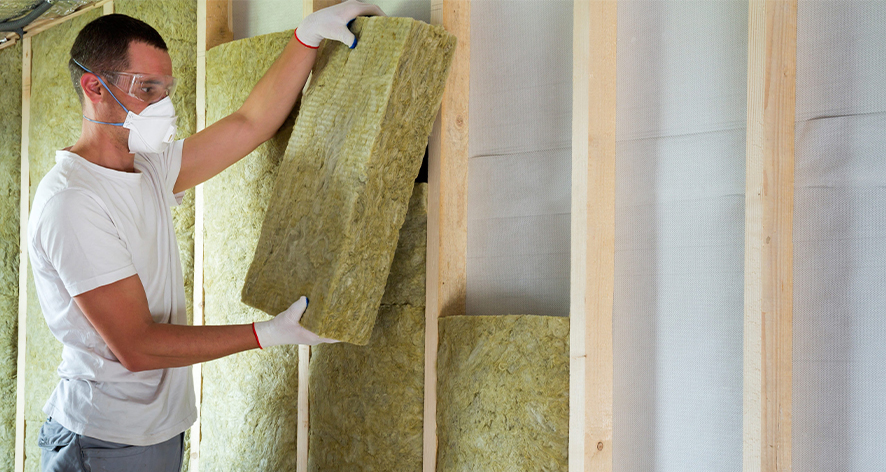
The “R-value” measures thermal resistance; the higher the number, the better it stops heat flow. In older Melbourne homes, wall cavities are often shallow (around 70mm to 90mm). A standard batt might only achieve an R1.5 rating in that space. However, high-density wall and ceiling insulation Melbourne suppliers offer can achieve ratings of R2.5 or higher within that same narrow wall stud width. This allows you to punch above your weight class in terms of thermal efficiency without needing to rebuild your walls.
A Superior Barrier
Think of standard insulation like a loose-knit jumper and high-density insulation like a windbreaker over a wool coat. The high-density option provides a robust barrier that reduces airflow and radiant heat transfer. When you are looking for effective wall and ceiling insulation Melbourne-wide, prioritising density solves space constraints while maximising performance.
Why Wall and Ceiling Insulation Melbourne Homes Need Is Different
Melbourne has a unique climate that demands more from our building materials. We don’t just need to keep heat out; we need to keep it in during those long, damp winters.
The Climate Factor
Standard insulation often falls short during our extreme temperature fluctuations. A home that leaks heat in winter will also bake in summer. By upgrading to high-density materials, you create a “thermos effect.” This stabilises your indoor climate, meaning your HVAC system doesn’t have to work as hard to maintain 21 degrees.
This leads directly to energy savings. Many experts note that proper wall insulation can save up to 25% on heating and cooling bills. Over five years, that money stays in your pocket rather than going to the energy provider.
The Rebate Opportunity
It is also worth noting that the regulatory landscape is changing to help homeowners. The Victorian Energy Upgrades (VEU) program offers incentives for energy-efficient improvements. Recently, news regarding the 2026 insulation rebate indicates that the Victorian Government is prioritising thermal shell upgrades. While specific details on the rollout continue to emerge, staying informed about these rebates can significantly offset the cost of your project. House insulation projects in Melbourne are becoming more affordable thanks to government initiatives aimed at reducing our carbon footprint.
Choosing the Right Wall and Ceiling Insulation Melbourne Products
Beyond just temperature control, density brings another massive benefit: silence.
Acoustic Performance
Melbourne is a bustling city. Whether it is trams, traffic, or just noisy neighbours, sound infiltration can ruin the peace of your home. High-density insulation is an effective sound barrier. The dense fibre structure absorbs sound waves rather than letting them vibrate through the plasterboard. Installing high-density acoustic batts in external walls and between floors can significantly dampen outside noise, turning your home into a quiet sanctuary.
Installation Matters: Getting it Right
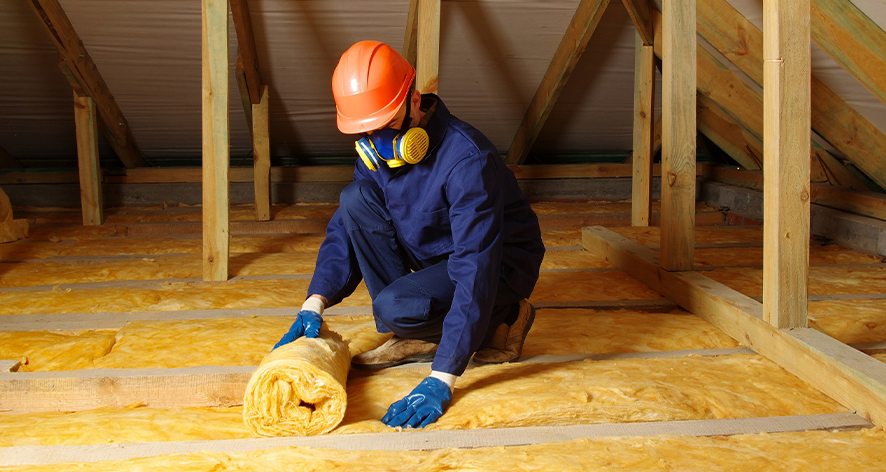
You can buy the most expensive, highest R-value product on the market, but if it is installed poorly, you are throwing money away.
Gaps and Compression
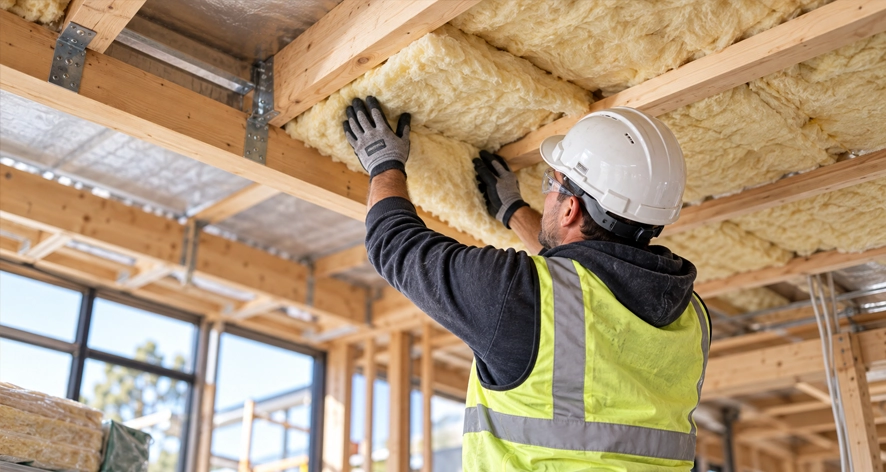
Insulation works best when it sits in lofts naturally. If you cram a thick standard batt into a thin wall, you compress the air pockets, reducing its effectiveness. High-density batts are designed to fit these tight spaces without losing performance.
Retrofit Challenges
You generally cannot just drop batts into finished walls without removing the plaster or weatherboards. However, during renovations or re-cladding projects, swapping out old, thin insulation for high-density batts is the smartest move you can make. For walls that are staying sealed, pump-in solutions might be required, though high-density batts remain the gold standard for renovations where wall cavities are exposed.
Professional assessment is vital. Wiring, moisture barriers, and spacing all need to be considered to ensure the job is safe and compliant with Australian Standards.
The Verdict
High-density insulation offers a trifecta of benefits: superior thermal control, excellent soundproofing, and significant energy efficiency. It is an investment in long-term comfort that transforms how your house feels to live in.
If you are tired of shivering through winter and sweating through summer, it is time to look at what is in your walls. Insulation Melbourne standards are rising, and your home deserves the best protection available.
Whether you need a retrofit solution or are planning a renovation, our expert team of AA insulation will help you select and install the perfect high-density product for your property. Let us help you create a more comfortable, energy-efficient home all year round.