Melbourne’s winters can be surprisingly cold, and if your home isn’t properly insulated, staying warm can become both uncomfortable and expensive. A lot of people don’t realise how much heat their homes lose until they notice that the temperature isn’t settling evenly or that their energy bills are going up.
Quality home insulation is important for keeping the inside comfortable, making it more energy efficient, and lowering your energy bills. If it’s hard for your house to stay warm, you might want to check for signs of bad insulation.
Here are five clear signs that your home is losing heat and needs better insulation.
Here are the Top 5 Signs Your Home Needs Insulation
1. Uneven Temperatures Across Rooms
Having different temperatures in different parts of your home is one of the first signs that your insulation isn’t working right. Another room might feel cold and unwelcoming, while the first one feels warm and cozy.
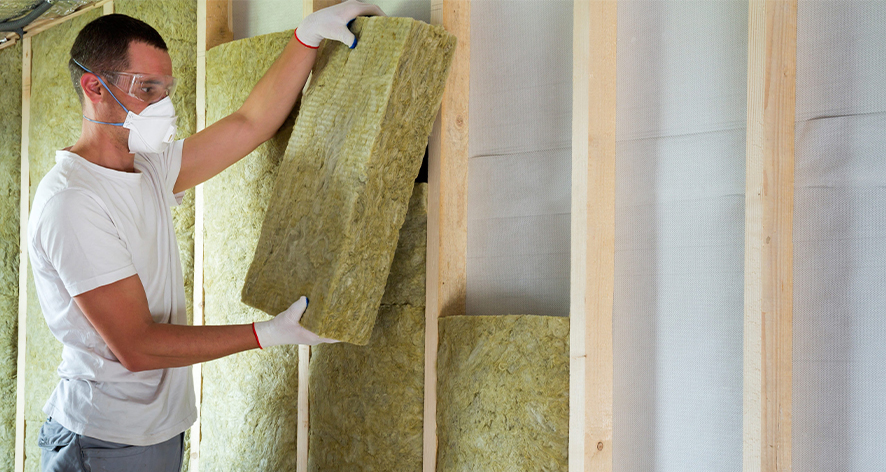
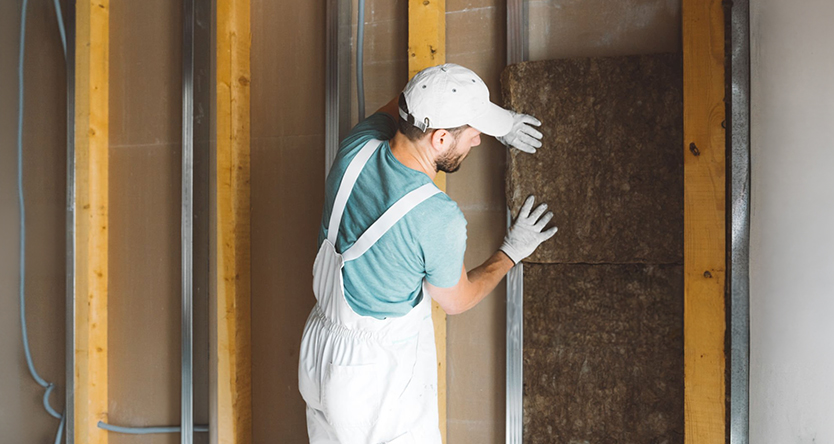
This often happens in places like the walls and roof where there isn’t enough or any insulation. If homes don’t have the right wall and ceiling insulation, heat can’t move around evenly and will tend to leave areas that aren’t properly insulated.
Upgrading ceiling insulation properties helps trap warm air inside and ensures a more balanced indoor temperature. This is especially important in double-storey homes, where heat rises and escapes through the upper levels.
2. Increasing Energy Bills During Winter
If your heating bill goes up every winter even though you don’t heat your home less, it’s possible that your insulation is not working properly.
When the heat is easily lost, it puts more stress on your heating system to keep your home at a comfortable temperature. Because of all this stress, you can expect your gas or electricity bill to go up.
Investing in house insulation in Melbourne can significantly reduce energy consumption. With the right insulation, warm air stays inside, so your heating system works better and less often.
Over time, this not only lowers your energy bills but also reduces wear and tear on your heating system.
3. Cold Floors and Indoor Drafts
Do your floors feel icy during winter mornings? Or do you feel drafts even when all the windows and doors are shut?
These are strong signs that your home is losing heat through the floors. There isn’t enough insulation under the floors of many homes in Melbourne, especially older ones. This lets cold air come in and warm air go out.
Hiring professional underfloor insulation installers in Melbourne can help address this issue. Insulation under your floors keeps your home warmer by blocking the cold ground from getting to your house.
Benefits include:
- Warmer floors during winter
- Reduced drafts
- Better overall comfort
This upgrade can make a noticeable difference, particularly in homes with timber flooring.
4. Heat Escaping Through the Roof
In Australia, the roof is where a lot of heat escapes. It’s possible that your roof isn’t sealed if your house is having trouble keeping the warm air inside.
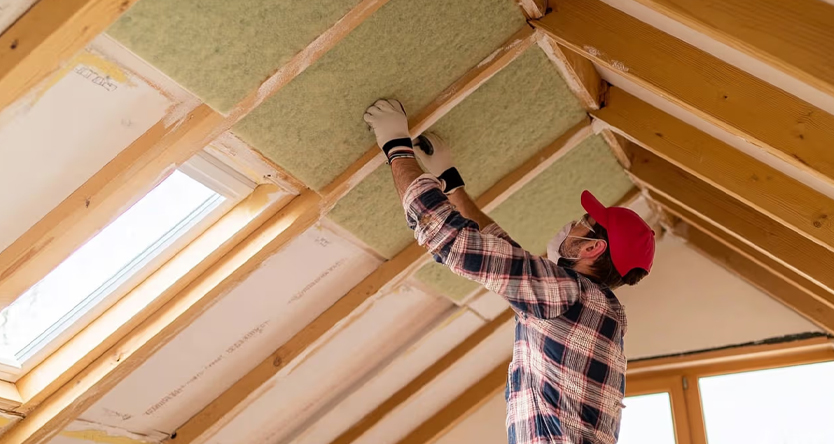
Without the right roof insulation, warm air can easily rise and escape. This makes it harder to keep your home comfortable, especially in the colder months in Melbourne.
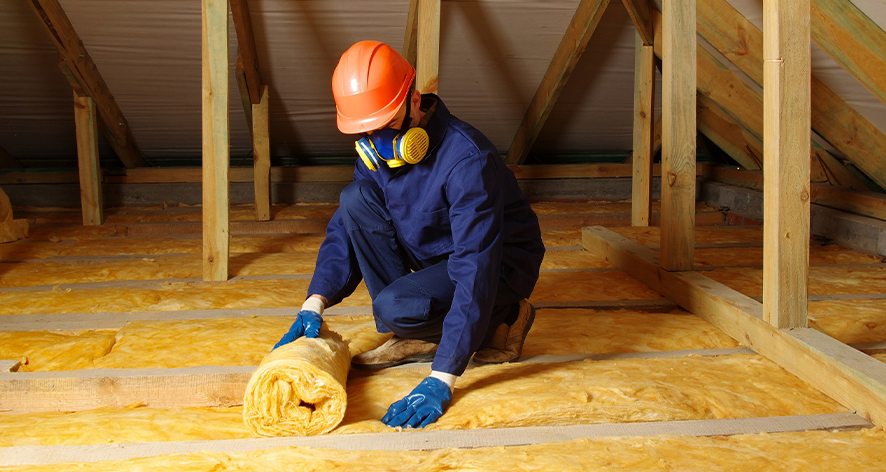
Adding more insulation to your attic is one of the best ways to keep heat inside. Good insulation acts as a wall, keeping heat inside in the winter and keeping out too much heat in the summer.
If your ceiling feels cold when you touch it or your heating doesn’t seem to be working, it’s probably time to fix or upgrade your roof insulation.
5. Dampness, Condensation, or Mould Growth
In addition to changing the temperature, bad insulation can make your home’s wetness problems worse.
When warm air leaves and touches colder objects, condensation can happen. This could lead to over time:
- Walls that are damp
- Mold growth
- Musty smells
- Bad air quality inside
Effective home insulation in Melbourne helps regulate indoor temperature and reduces the risk of condensation. By maintaining a stable environment, insulation protects both your home’s structure and your family’s health.
Understanding Insulation R Value
It’s crucial to know what the insulation R value means when you upgrade your insulation.
The R number tells you how well insulation keeps heat from flowing through it. The insulation’s ability to keep heat is much better the higher the R value.
In Melbourne, recommended R values vary depending on the area of the home:
- Ceiling insulation: Typically R4.0 to R6.0
- Wall insulation: Moderate R values depending on structure
- Underfloor insulation: Designed based on the flooring type
Choosing the right R value ensures optimal performance and energy efficiency. A professional installer like AA Insulation, can recommend the best option for your specific home.
Why Insulation Matters in Melbourne Homes
Melbourne’s climate is known for its variability, with cold winters and fluctuating temperatures throughout the year. Without proper insulation, maintaining a comfortable indoor environment can be difficult.
By upgrading your insulation, you can realise several benefits in the long run:
- Lower energy bills
- Improved indoor comfort
- Reduced environmental impact
- Increased property value
Investing in the right insulation, whether it’s for the ceiling, the roof, or the floor, will keep your home warm all year.
Improve Your Home’s Comfort Today
Stay warmer in winter and save on energy bills with expert insulation solutions.
Conclusion
If your home has problems with wetness, temperatures that aren’t even, rising energy bills, cold floors, or heat loss through the roof, it may be time to get better insulation. To create a comfortable and energy-efficient living space, high-quality home insulation in Melbourne is required. When AA Insulation fixes issues, your home will be warmer, cheaper and more efficient in the long term. When you purchase the correct insulation today, it will go a long way in the way the home will feel tomorrow.
FAQ’s
How can I determine whether the insulation in my house is adequate?
Common symptoms include uneven temperatures, leaks, excessive energy bills, and difficulty in staying warm during the winter.
What type of insulation is best for Melbourne homes?
Ceiling and roof insulation with appropriate R values is highly effective, along with underfloor insulation for older homes.
How often should insulation be replaced?
Insulation usually lasts between 15 and 25 years, but it should be checked often for damage, water, or lessening function.