Most of the older homes around the country were built with little or no insulation, leaving them cold in winter and hot during the summer months.
Retrofit insulation in Australia today is an easy, effective way to upgrade comfort without major building work.
From wall and roof insulation retrofits to general energy efficiency upgrades, homeowners can enjoy better temperature control and quieter spaces with minimal disruption, along with reduced energy bills.
Why Retrofit Insulation Matters for Older Homes
Older Australian houses are typically Draughty, thin-walled, and have aged materials and/ or old construction methods.
The result of this is significant winter heat loss and summer heat gain, leading to higher electricity costs and varying comfort levels throughout the seasons.
Retrofit Insulation in Australia targets these weak points without requiring the removal of walls or resorting to major structural changes.
Due to modern insulation products that can be inserted into existing spaces, energy savings with improved comfort indoors can be achieved more efficiently and at reduced costs for the homeowner compared to a complete renovation.
Key Benefits of Retrofit Insulation
1. Better Year-Round Comfort
Insulation acts like a protective thermal layer. It helps maintain stable indoor temperatures in correctly set-up conditions in older homes, thereby reducing the persistent need for heating or cooling.
2. Lower Energy Bills
Roof and Wall insulation retrofits significantly reduce heat transfer. This means your air conditioning system does not struggle much, which gradually reduces your energy bills.
3. Less Noise
Good insulation also absorbs sound. Insulation can be installed in existing homes to reduce outside noise, thus making older homes quieter and more peaceful.
4. Improved Property Value
Energy-efficient homes are more attractive to buyers. A well-insulated home often becomes a stronger selling point at resale.
5. least disruption
Retrofit insulation in Australia is targeted at existing structures. The installers employ focused methods that will preserve your home’s integrity while still achieving significant energy improvements.
Best Areas to Add Retrofit Insulation
1. Walls
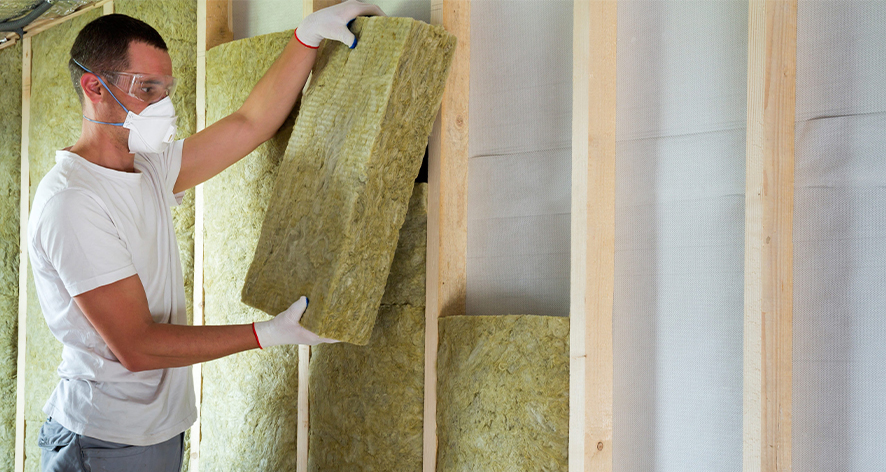
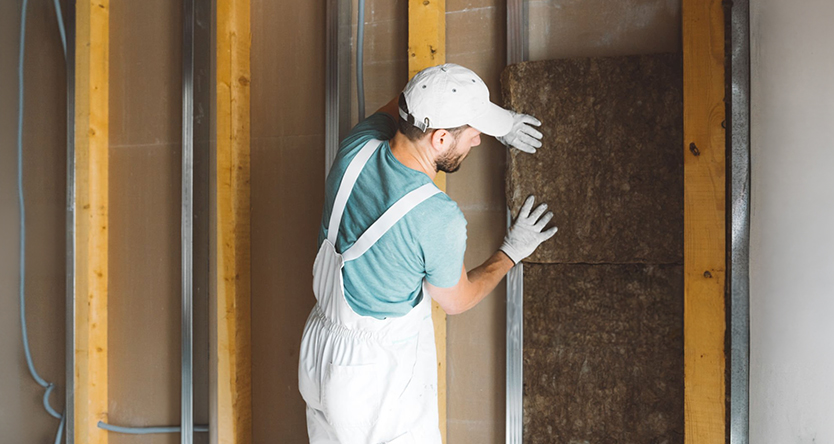
Many older homes have poor wall insulation. These days, installers can use techniques such as blow-in insulation, foam injection or batt installation where accessible.
All of these have the advantage of fitting through small openings, so they do not require the removal of plaster or weatherboards.
One of the most effective ways to reduce heat loss is through retrofitting wall and roof insulation.
2. Ceilings and Roofs
Most heat escapes from the roof; therefore, ceiling insulation is one of the most important home energy efficiency upgrades.
Options include:
- Batt insulation: between ceiling joists
- Blow-in insulation: Best suited for tight or uneven roof cavities
- Reflective foil layers: Useful in hotter climates
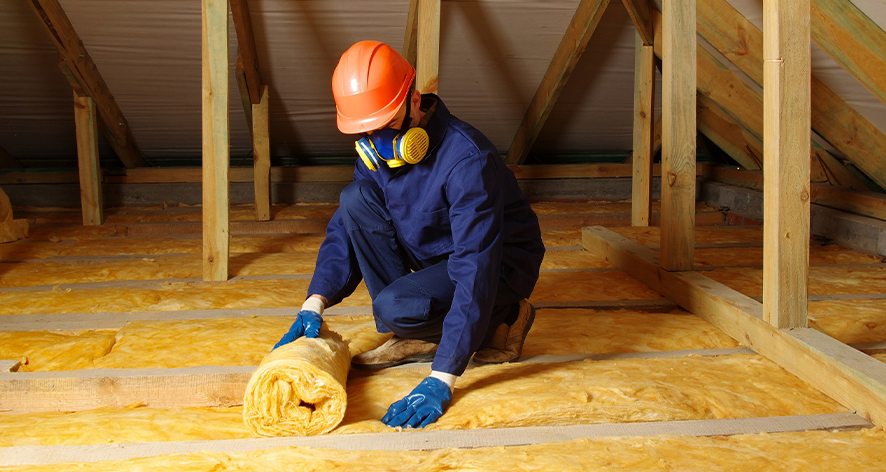
Retrofit Insulation in Australia typically begins with the roof, as it offers rapid improvements in comfort and energy efficiency.
3. Underfloor Areas
Older homes often have timber floors, which can allow drafts and cold air to enter. Underfloor insulation will keep the warmth inside during winter but will prevent cool air loss during summer.
4. Internal Walls
Internal wall insulation is not mandatory; however, this helps retain privacy and sound control in most homes with thin wall structures.
How Retrofit Insulation Works Without Major Renovations
1: Home Assessment
A certified installer will inspect the current levels of insulation, identify thermal weak points, and assess the accessibility of your home. They also inspect cavity sizes, roof structure, and underfloor space.
2: Selecting Suitable Insulation Materials
Different homes call for different solutions. Some common materials include:
- Glasswool and polyester batts
- Cellulose blow-in insulation
- Spray foam
- Reflective sarking or foil wrap
This depends on the climate zone, existing building structure, and energy efficiency goals.
3: Targeted Installation
In the walls, small entry points are drilled to insert the blow-in insulation. Installation for roofs involves accessing batt areas or using hoses to inject loose-fill insulation. Underfloor insulation is fitted between joists using secure fixings.
All these techniques avoid tearing down walls or undertaking structural work.
4: Clean-Up and Final Check
Installers seal openings, remove waste, and verify insulation coverage using equipment such as thermal cameras or cavity scopes. No structural changes have been made to the home, but it is substantially more energy-efficient.
Common Myths About Retrofit Insulation
- You must tear all the walls down.
Most retrofit solutions require only small access points, and major demolition is not required.
- Insulation only helps in winter.
Insulation works year-round by slowing the flow of heat in both directions.
- Older homes cannot be upgraded
Most older homes can be insulated with modern materials, especially designed for existing structures.
Conclusion
In Australia, retrofit insulation is one of the most effective ways to improve older homes without requiring major renovations.
With newer methods and materials, retrofits of wall and roof insulation, insulation of existing homes, and general home energy efficiency upgrades are quicker than ever.
Whether you aim for better comfort, lower power bills, or a more sustainable house, retrofit insulation will provide long-lasting benefits with minimal disruption.
For a smooth and stress-free upgrade, choosing experienced insulation installers in Melbourne is the best way to retrofit older Aussie homes without major renovations.
AA Insulation makes upgrading older Aussie homes simple and stress-free. Retrofit insulation boosts comfort, cuts energy costs, and improves year-round living without major renovations.
With the right guidance and quality materials, your home can feel warmer, quieter, and more efficient in no time. Trust AA Insulation to help you create a comfortable space that truly feels like home.
FAQ’s
What is retrofit insulation?
Retrofit insulation refers to the process of adding new insulation to a home without requiring major renovations. It improves the energy efficiency of your home, comfort, and overall thermal performance while causing only minimal disruptions.
Can older homes be insulated without removing walls?
Yes, most installers use either the blow-in insulation or foam injection, which requires only small openings. That way, the walls can remain intact throughout the process.
How long does it take to install retrofit insulation?
Most homes are completed in a few hours or just one day. The actual timeframe depends on the number of areas to be insulated and the accessibility of the cavities.
Is retrofit insulation safe in existing homes?
Yes, modern insulation materials are nontoxic and safe for use within residences. Installers also seal gaps in the house and make sure ventilation remains balanced.
Which areas of older homes are most beneficial?
The best results are achieved with walls, ceilings, roofs, and underfloor areas since they reduce heat transfer and deliver noticeable comfort and energy improvements.