Older houses are rich in history, character, and charm. But they always have one caveat: inadequate insulation.
Drafty cold rooms, unstable temperatures, exorbitant power bills, and general discomfort are typical problems in old houses.
To upgrade insulation in older homes, it’s all about understanding major areas and practical solutions. This manual addresses all from windows to floors and promises you maximum comfort and energy efficiency.
Why Insulating an Old House Matters
Insulation is not just about warmth, it’s about having a stable, comfortable indoor climate all year round.
Older Australian houses were constructed before today’s energy standards, so they tend to lack effective ceiling, wall, or floor insulation. Without action, heat leaks out in winter, and rooms heat up uncomfortably in summer.
Effective insulation can:
- Reduce energy bills by making your home warmer in winter and cooler in summer.
- Dampen draughts and cold spots, upgrading insulation for comfort.
- Avoid condensation and mould.
- Increase the resale value to the property.
Home insulation upgrade advice for older homes involves finding vulnerable areas and employing a combination of materials and expert fitting to maximise performance.
For more detailed guidance, check out our blog “Insulating An Older Home: Common Challenges And Solutions”, where we explore the most common insulation issues in older properties and how to tackle them effectively.
Whether older home insulation ideas or energy-saving older home insulation, insulation upgrading brings comfort, efficiency, and lifespan.
Doors, Windows and Fireplaces
Doors, windows, and fireplaces are huge heat-loss areas in older homes. These are generally inexpensive and best to tackle first.
Doors and Windows:
- Weather-stripping or draught seals on doors and windows to keep out the cold air.
- Double-glaze windows to minimise heat transfer and provide better insulation.
- Additional use can be made of heavy curtains or thermal blinds.
Fireplaces:
- Close unused chimneys with a cap or balloon to avoid heat loss.
- Fit dampers or doors on working fireplaces.
- Use these in addition to other insulation upgrades to minimise wasted energy.
Sealing draught around windows, fireplaces, and doors is an easy and effective retrofit insulation for old houses. It complements insulation for walls, floors, and ceilings and avoids retrofitting insulation in old houses, being a waste due to drought.
The Roof
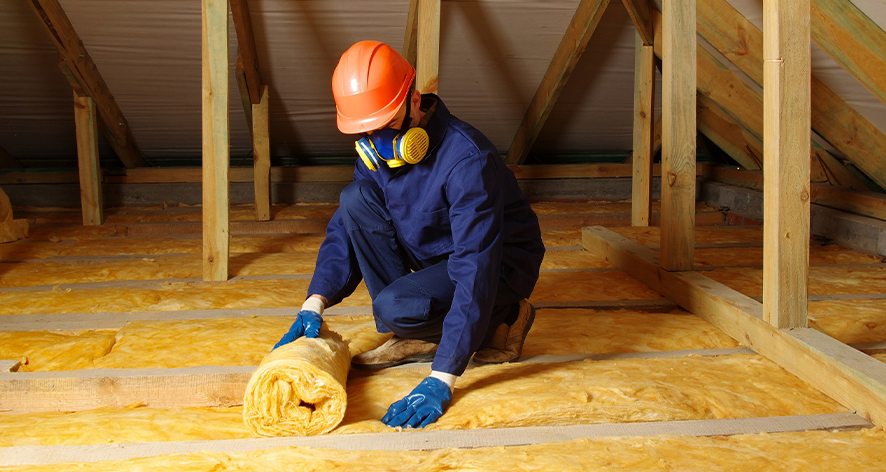
In Australian domestic construction, the roof is also one of the biggest sources of heat loss and gain. Roof Insulation is the secret to a warm indoor home environment.
- If your ceiling isn’t insulated, insulating with high R-value batts or blankets can make a huge difference in preventing heat transfer.
- For old homes that are already insulated, do consider topping up to make it more thermally efficient.
- Reflective foil insulation will keep summer heat out, and bulk insulation stores winter heat.
- For tile or metal roofs, a combination of reflective and bulk insulation is a good solution.
Starting at the roof is home insulation concepts, since it will provide the quickest and most apparent increase in comfort. Proper insulation here cuts the cost of energy and maximises the efficiency of any HVAC equipment.
The Walls
Insulating a wall in an older property can be more difficult, but it’s worth it if you want equal temperatures. It depends on how your house was built, but you do have options:
- Cavity walls: They can be retrofitted with blown or injected products.
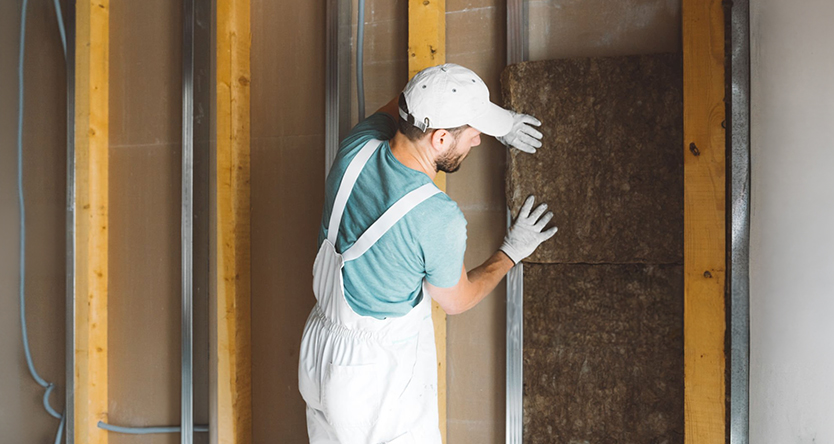
- Solid brick walls: Internal or external insulation with rigid boards, spray foam, or insulated linings.
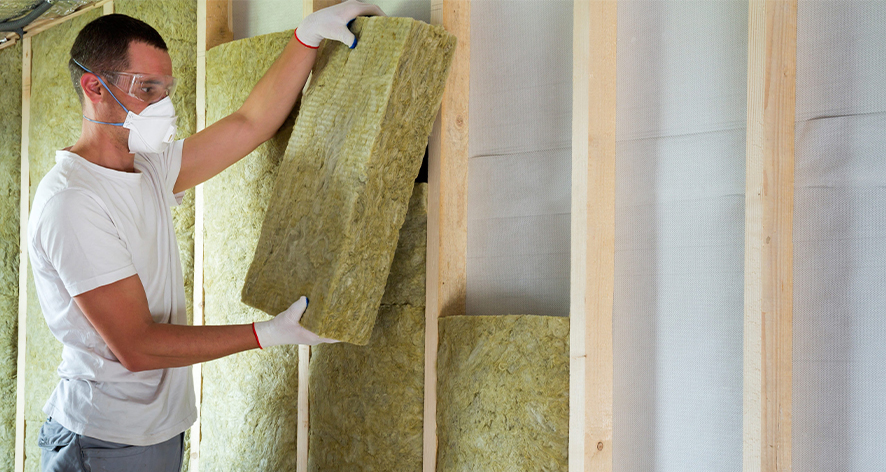
- Timber-framed walls: Flexible batts can be fitted between studs for good thermal control.
Coupling wall insulation improvement for old houses, ceiling, and floor insulation provides an entirely insulated house. Replacing insulation for comfort in this manner produces a home that retains heat in winter and remains cooler in summer.
The Floor
Underfloor Insulation is skipped, but inevitable in ancient homes, especially timber floors or raised base houses. Cold air can infiltrate from beneath if not insulated, and rooms become dank.
- Bulk insulation has to be installed between floor joists or rigid panels to maximise thermal performance.
- Ventilate air under the floor to prevent moisture accumulation.
- Seal under-floor gaps between floorboards wherever possible.
- Insulate any pipes or heating ductwork exposed under the floor.
Insulation retrofitting for older homes within this region not only adds warmth but also minimises noise transmission, assisting with overall comfort. Combining floor insulation with roof and wall renovations completes a comprehensive solution to retrofit insulation in older homes.
Conclusion
Insulating an older home requires upgrading it to ensure comfort, efficiency, and cost savings over time. By upgrading the important areas—doors, windows, fireplaces, roof, walls, and floors—you can have a balanced and properly insulated home. With home insulation upgrade advice, investigating older home insulation concepts, and consulting professional insulation installers in Melbourne, your investment will be worthwhile and long-lasting.
Whether you’re retrofitting cavity walls, topping up ceiling insulation, or fitting underfloor batts, doing all of these steps at once will allow you to step up insulation for comfort and energy-efficient insulation for older homes. Even old houses can be made warm, snug, and energy efficient year-round if the planning and supplies are correct.
FAQ’s
How do I know which parts of insulation to work on in an old house?
Begin from the ceiling and roof since these experience the largest gain and loss of heat. Proceed to the floors and walls to achieve maximum efficiency.
Do I need to upgrade the insulation myself or hire professionals?
Underfloor or general ceiling insulation can be carried out DIY-style, but walls, retrofits, and out-of-reach locations are best achieved and safer with professionals in Melbourne insulation installation.
What are the best insulation materials for an old house?
Options include bulk batts, blow-in or loose-fill insulation, spray foam, and foil reflectives. A tailored combination for each space is usually best.