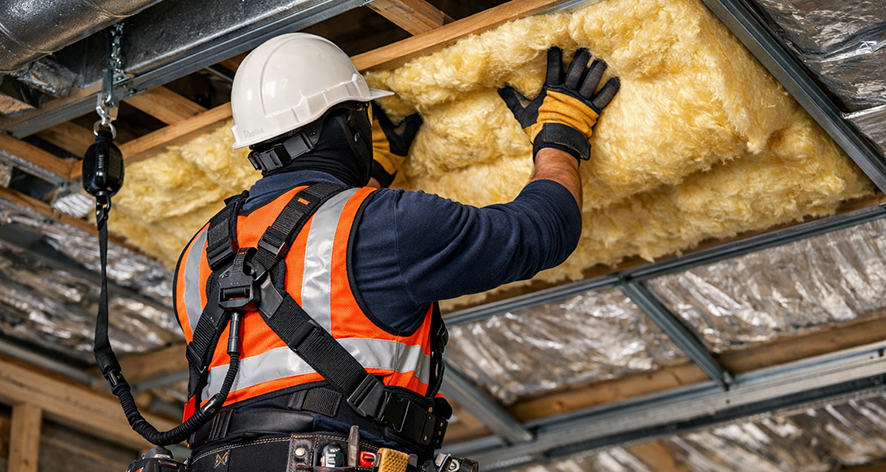
Energy costs keep climbing across Australia. Homeowners search for practical ways to reduce their bills. Ceiling insulation stands out as one of the most effective investments you can make for your home.
The answer depends on several factors. Your home’s current state matters. Energy usage patterns play a role. Long-term property goals influence the decision. This guide explores the financial benefits, comfort improvements, and environmental impact of ceiling insulation.
What Is Ceiling Insulation and How Does It Work?
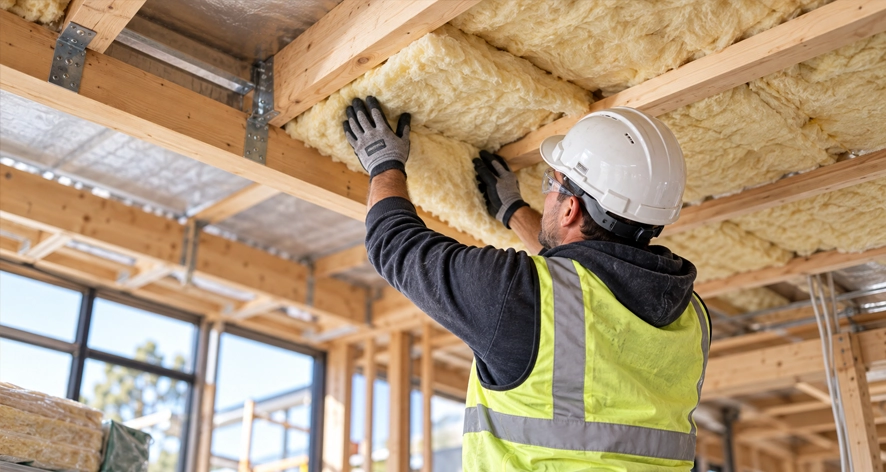
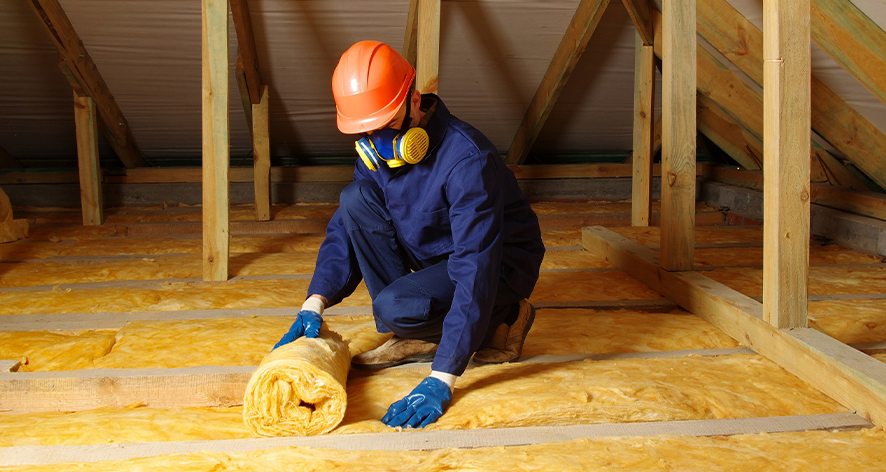
Ceiling insulation consists of materials installed within your roof cavity to control heat transfer. During summer, it blocks heat from penetrating your living spaces. In winter, it traps warmth inside and prevents it from escaping through the roof.
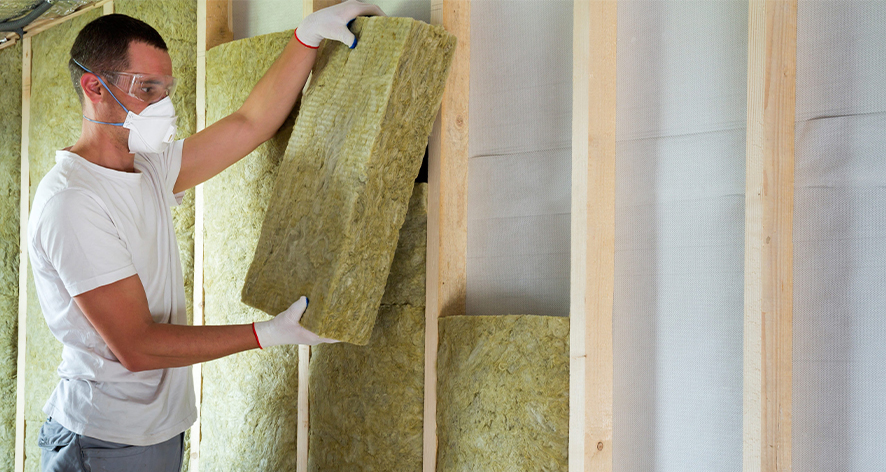
Common materials include polyester batts, glasswool, and reflective foil. Each type offers different benefits depending on your home’s construction and climate needs. Polyester batts provide excellent thermal resistance. Glasswool offers affordability and fire resistance. Reflective foil excels at blocking radiant heat.
The Financial Benefits of Ceiling Insulation
Quality insulation can slash heating and cooling costs by up to 45%. A typical Melbourne household spends $2,000 annually on energy. That translates to savings of around $900 per year. These figures vary based on home size, existing insulation, and energy usage habits.
The initial investment varies too. A standard three-bedroom home typically requires $1,500 to $3,500 for complete installation. This depends on material choice and roof accessibility. Most homeowners recover this cost within three to five years through reduced energy bills.
Property value increases present another financial advantage. Melbourne’s competitive housing market rewards energy-efficient homes. Buyers increasingly prioritise lower running costs. Well-insulated properties become more attractive. Estate agents report that these homes often sell faster and command premium prices.
Insulation services Melbourne frequently offer competitive pricing packages. Many providers include free assessments and quotes. This allows you to compare options before committing. Some offer payment plans to spread costs across manageable instalments.
Health and Comfort Improvements
Temperature consistency ranks among insulation’s most noticeable benefits. Without adequate insulation, rooms fluctuate wildly between hot and cold. Ceiling insulation creates stable indoor temperatures. You’ll reduce the need for constant thermostat adjustments.
Moisture control protects your home’s structure and your family’s health. Warm air carries moisture that condenses on cold surfaces. This creates conditions for mould and mildew growth. Proper insulation maintains surface temperatures above the dew point. It prevents condensation and the associated health risks.
Air quality improvements follow naturally from reduced moisture levels. Less mould means fewer airborne spores and allergens. Many Melbourne residents notice reduced respiratory symptoms after installing insulation. Better sleep quality becomes common.
Noise reduction provides an unexpected bonus. Insulation materials absorb sound vibrations. They dampen traffic noise, aircraft sounds, and neighbourhood activity. This proves particularly valuable in busy urban areas where external noise disrupts daily life.
Environmental Impact in 2026
You can reduce energy consumption and directly lower your carbon footprint. Every kilowatt-hour saved means less demand on power stations. Most still rely on fossil fuels. A well-insulated home typically reduces carbon emissions by 1 to 2 tonnes annually.
Modern insulation materials embrace sustainability. Many products now incorporate recycled content. Manufacturers design them for eventual recycling. You can choose eco-friendly options that align with Australia’s environmental commitments. These deliver the same thermal performance.
Grid stability benefits from reduced heating and cooling demand. Melbourne’s electricity network faces strain during extreme weather. Thousands of homes simultaneously run air conditioners or heaters. Better-insulated homes reduce peak demand. This helps prevent blackouts and infrastructure stress.
When You Might Need Insulation Removal or Replacement
Older homes often contain deteriorated or ineffective insulation. Materials compress over time. This happens especially if they’re exposed to moisture or pest damage. Rodent contamination, water leaks, or fire damage necessitate complete removal before installing fresh insulation.
Several warning signs indicate you need insulation removals services in Melbourne. Visible damage or sagging insulation no longer performs effectively. Unusual odours suggest pest activity or mould growth. Dramatically increased energy bills despite consistent usage patterns point to insulation failure.
A professional assessment determines whether removal or top-up makes sense. Sometimes you can add layers over existing insulation. This proves more cost-effective than complete replacement. Qualified installers inspect your roof space and identify problems. They recommend the most practical solution.
You can upgrade old insulation to modern standards and significantly improve performance. Insulation technology has advanced considerably over recent decades. Products manufactured 20 or 30 years ago lack the thermal efficiency of contemporary materials.
Special Considerations for Melbourne Homes
Melbourne’s variable climate makes ceiling insulation particularly valuable. Temperature swings between seasons demand versatile solutions that work year-round. The city’s hot summers and cold winters create ideal conditions for demonstrating insulation’s benefits.
Foil wrap insulation installation in Melbourne has gained popularity for its effectiveness against radiant heat. Reflective barriers complement traditional bulk insulation. They create a comprehensive thermal barrier. This combination works exceptionally well in metal roofs common across Melbourne suburbs.
Proper ventilation works alongside insulation. Some homeowners worry that insulation traps moisture. This occurs only with inadequate ventilation. Professional installers ensure your roof space maintains appropriate airflow whilst maximising thermal performance.
Attached garages present often-overlooked heat transfer points. Garage door insulation Melbourne helps prevent temperature extremes in these spaces from affecting adjacent living areas. You can insulate garage doors and connecting walls to create a complete thermal envelope around your home.
Make the Smart Choice with AA Insulation
Ceiling insulation delivers clear benefits. Lower energy bills become reality. Improved comfort transforms your home. Increased property value rewards your investment. Melbourne’s climate makes these advantages particularly relevant. Year-round temperature control reduces heating and cooling expenses significantly.
2026 presents an excellent time to invest. Energy costs continue rising. Environmental awareness grows stronger. The financial returns speak for themselves. Most installations pay for themselves within five years. They continue to deliver savings for decades afterwards.
Reduce Your Energy Bills Today
Make your home more comfortable and energy-efficient. AA Insulation offers free quotes and expert guidance to help you save.
FAQ’s
How long does ceiling insulation last?
Quality ceiling insulation typically lasts 40 to 90 years depending on the material and installation conditions. Polyester batts and glasswool maintain their effectiveness for decades when properly installed and protected from moisture. Regular inspections every five to ten years help ensure your insulation remains in good condition.
Can I install ceiling insulation myself?
DIY installation carries significant risks. Roof spaces present safety hazards including unstable footing, electrical wiring, and extreme temperatures. Improper installation creates gaps that dramatically reduce effectiveness, potentially wasting your investment. Many insurance policies and product warranties require professional installation.
What's the best type of insulation for Melbourne?
The ideal insulation depends on your specific home, budget, and performance requirements. Polyester batts suit most applications, offering excellent thermal resistance and durability. Glasswool provides cost-effective performance with fire-resistant properties. Reflective foil excels in blocking radiant heat during summer.