When speaking of adding comfort and energy efficiency to Melbourne homes, insulation is one of the best investments you can make with your money. But with so many choices, how do you decide between rolled insulation Melbourne and blown-in insulation?
We dissect both possibilities in this guide, explaining to you what kind of blown-in vs rolled insulation in Melbourne will be perfect for your home, climate, and budget.
What Is Blown Insulation?
Blown-in insulation consists of loose, loose fibres — typically fibreglass, cellulose, or mineral wool — that are pumped into attics or wall cavities by a specialised machine. It fills in all the niches and cracks, producing a solid blanket of material that controls your home’s temperature.
Blown-in insulation installers also suggest installing insulation for retrofitting ageing buildings or topping up old insulation because it can go into small spaces.
How It Works
The installer blows the insulation fibres in a normal pattern around the attic or cavity with the aid of a blowing machine. Fibres bond together solidly and possess air pockets, which restrict heat flow in or out.
During winter, blown insulation keeps warmth inside, and your home is warm and snug. During summer, it keeps out warm air, so your air conditioner won’t have to work so hard — a clear benefit of Melbourne’s unstable weather.
Pros of Blown Insulation
- Outstanding Coverage – It fills gaps, angles, and odd spaces left by rolled insulation.
- Best for Retrofits – Ideal for retrofitting existing buildings without removing walls and ceilings.
- Energy Efficient – Provides better thermal performance by plugging air gaps and limiting heat transfer.
- Soundproofing Benefit – Its thickness permits it to sound-absorb, shutting out external sounds.
- Installation Ease – Trained professionals can install a complete roof space in a couple of hours.
For homeowners who desire long-term energy savings and comfort, blown-in insulation is an excellent value if installed professionally.
Cons of Blown Insulation
- Requires Professional Installation – Blown-in insulation must be installed by homeowners with equipment suitable for the task.
- Potential Settling Over Time – When over-installed loosely, the insulation compacts and, thus, reduces its R-value.
- Not Easy to Remove – Removing or replacing blown-in insulation is dirty and awkward to achieve.
- Sensitive to Moisture – When the roof leaks occur, the insulation clumps or ceases to be effective.
Despite this, the majority of these issues can be prevented by using qualified blown-in insulation installers who use quality materials and implement the correct density requirements.
What Is Rolled Insulation
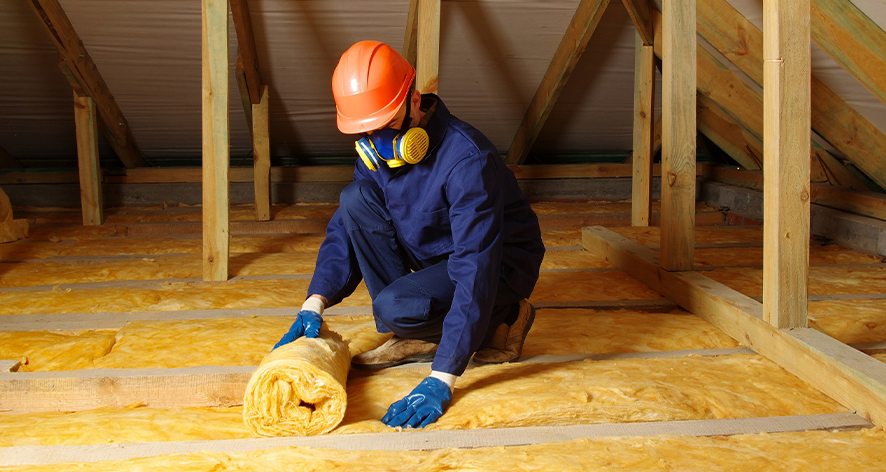
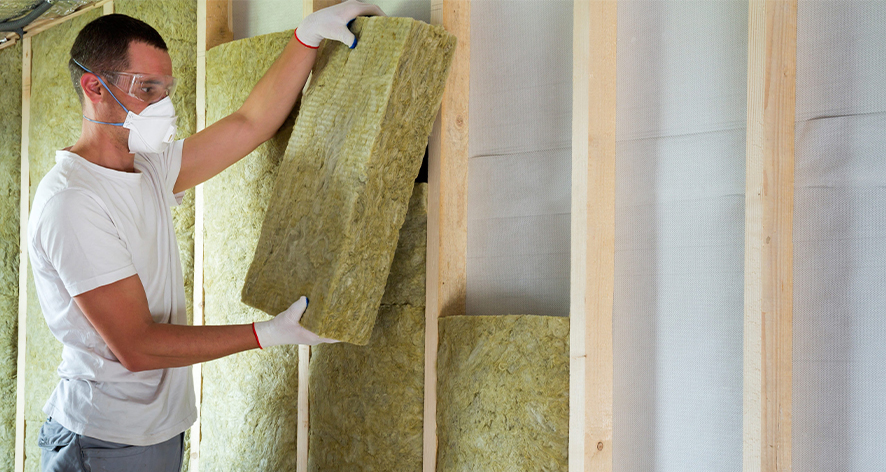
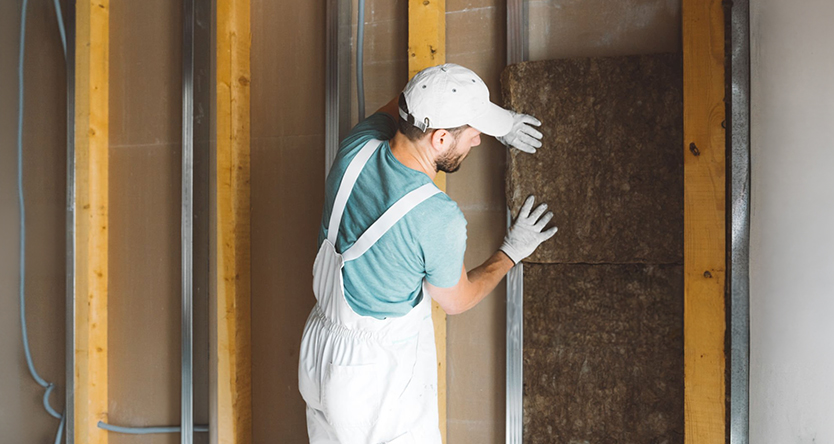
Blanket insulation or rolled insulation comprises flexible rolls or mats, which are rolled up and then unrolled and spread over roof spaces, walls, or floors. It is a time-tested method of proper coverage on flat surfaces.
It is used largely for new house construction or building where ceiling and wall spaces are easily accessible and exposed.
How Does It Work?
Rolled insulation exploits the air that is retained in the fibre form. Air spaces create a thermal flow stoppage barrier, which keeps cold air out during winter and outside heat intrusion during summer.
It is manually rolled over roof spaces or between studs and rafters. It is easy to fit, but it should be fitted correctly so as not to create gaps or compress it, since that is where the performance is compromised.
Pros of Rolled Insulation
- Easy to Install – Most ideal for DIY installation in open or new construction spaces.
- Less Costly Option – Generally less expensive than blown-in insulation, put in straightforward set-ups.
- Secure Long-Term – Won’t shift or settle once properly installed.
- Easily Accessible – Generally available in lots of various R-values and sizes at Melbourne hardware stores.
- Easy to Repair – Easy to replace or add additional layers if the owner desires to in the future.
In new house construction or open attic houses, rolled insulation may be a low-cost alternative and offer long-term performance.
Cons of Rolled Insulation
- Poor Fit in Irregular Spaces – Does not fit neatly over wires, pipes, or corners.
- Cuts into Efficiency – Misalignment and small gaps can permit heat transfer, cutting into energy savings.
- More Labour Intensive in Retrofits – Retrofitting rolled insulation in a new home may be more labour-intensive.
- Compression Issues – Compaction of the rolls may diminish thermal resistance significantly.
Generally, rolled insulation is great in conventional designs, but possibly not so much in older or hi-tech homes in Melbourne.
Energy Efficiency and Cost Savings
Rolled insulation Melbourne and blown-in insulation Melbourne both have great energy-saving capability, but success will depend upon proper installation and house design.
Blown-in insulation will save heating and cooling costs up to 30% because it offers full coverage and air sealing.
Rolled insulation will save up to 20% when installed correctly in accessible spaces.
While blown-in insulation is more costly to install in the first place, the long-term energy bill savings will repay the investment. And it can add value to your home — a handy return in Melbourne’s busy property market.
Things to Consider
Before deciding what insulation is right for your home, take the following into account:
- Home Age and Construction – Older homes with irregular cavities are best suited to utilise blown-in; new homes are well suited for rolling.
- Cost – Rolled is cheaper to install initially; blown-in is cheaper to maintain over the long haul.
- Access to Installation – Closed or blocked spaces are well suited for blown-in; open attics are well suited for rolled.
- R-Value Specifications – Melbourne weather tends to require the ceiling R-value of 4.0 or higher. Both can accomplish that when installed correctly.
- Technical Knowledge – To get the most from their dollars, homeowners should employ blown-in insulation installers in Melbourne or licensed batt installers familiar with city building codes.
Having these specifications in mind, homeowners can make an educated decision when they select the best insulation type for Melbourne homes.
Installation and Maintenance
Installation
Blown-in insulation must be installed by trained people with the right blowing equipment to ensure even coverage and proper density.
Rolled insulation can be handled by competent DIYers or professionals, but care must be taken not to compress or leave gaps.
Maintenance
Inspect your roof cavity every few years for moisture, settling, or damage.
If there is any sign of moisture or rodents, ring an insulation specialist immediately.
Installation and periodic maintenance guarantee long-term performance and comfort in Melbourne’s seasons.
Conclusion
The choice between rolled and blown-in insulation installers in Melbourne depends on the design, age, and energy goals of your home. Rolled insulation is economical and ideal for new homes, while blown-in insulation offers the optimum coverage and performance for old or irregularly shaped homes.
Both options can significantly enhance comfort, lower energy bills, and pay for themselves in increased value on your property. Professional installation is well worth the expense to most homeowners, particularly for blown-in insulation installation.
At AA Insulation, we understand that choosing the right insulation can feel overwhelming.
Whether you’re leaning towards blown-in or rolled insulation, the key is knowing what works best for your Melbourne home, your budget, and your comfort needs.
Blown-in insulation offers flexibility and fills gaps effortlessly, while rolled insulation is easy to install and cost-effective.
FAQ’s
What is the best type of insulation for Melbourne homes?
Blown-in insulation generally does best in retrofit or hard-to-reach applications, whereas rolled insulation does best in new construction buildings.
How long will blown-in insulation last?
Better quality blown-in insulation would be excellent for 20–30 years with minimal maintenance, as long as it’s installed at the right density.
Do I have to professionally install rolled insulation?
Roll insulation is simple DIY where it’s readily available. But professional insulation provides even distribution and complies with Australian standards.